VR Headset Heat Hacks: Cooling Pads and Ventilation Mods Keep Sessions Sweat-Free
VR Headset Heat Hacks: Cooling Pads and Ventilation Mods Keep Sessions Sweat-Free
The Heat Buildup Problem in Modern VR Headsets
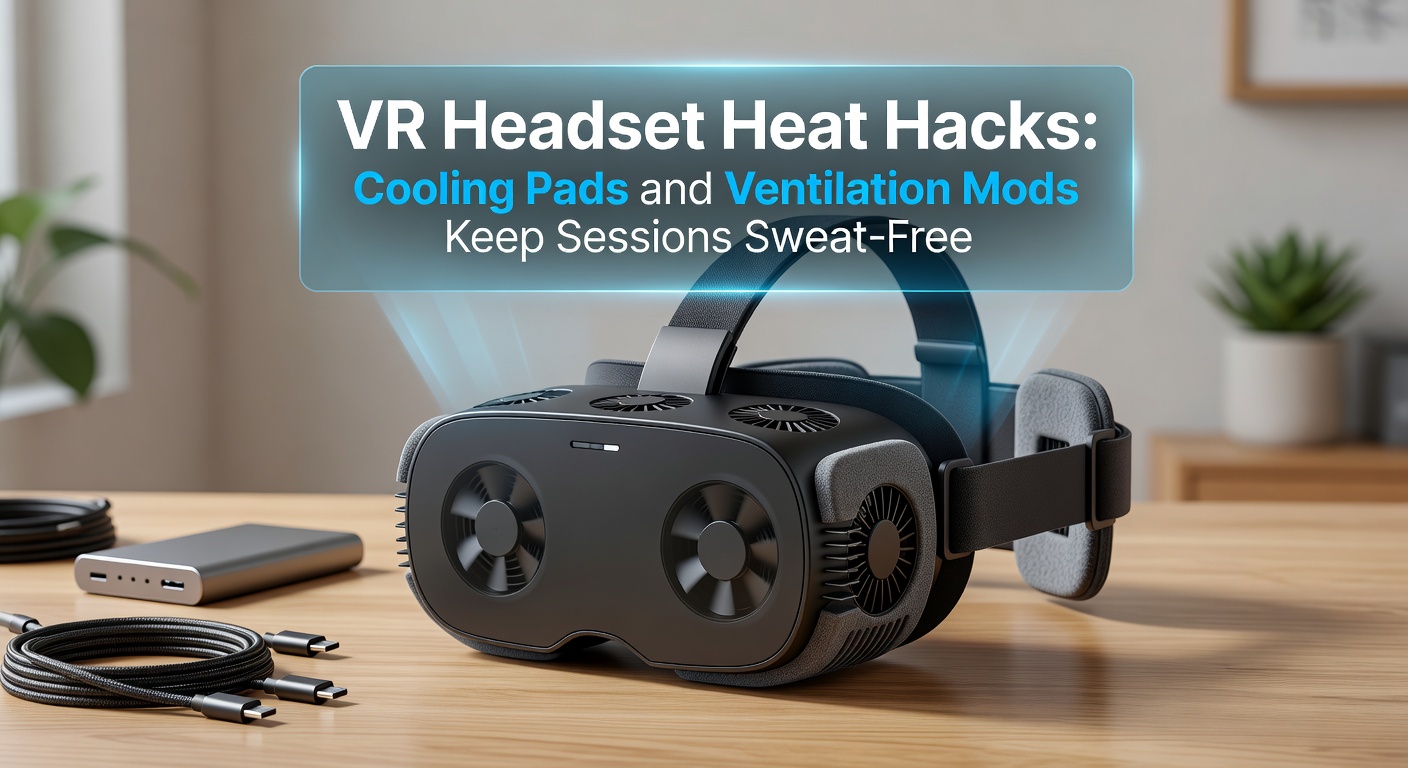
VR headsets pack powerful processors and high-resolution displays into compact shells, generating significant heat during extended sessions, yet enclosed designs trap that warmth against users' faces, leading to sweat, discomfort, and shortened playtimes. Data from OSHA's heat stress guidelines (US Department of Labor) highlights how prolonged exposure to even moderate warmth exacerbates fatigue, while VR-specific tests reveal surface temperatures climbing to 45°C (113°F) after 30 minutes of use on devices like the Meta Quest 3. Observers note that without intervention, fogging lenses and slippery grips force breaks every 20-40 minutes, cutting immersion short.
But here's the thing: enthusiasts have tackled this head-on with cooling pads and ventilation mods, extending sessions by up to 2 hours according to user benchmarks shared across forums. What's interesting is how these hacks address both active heat sources—CPUs and GPUs churning at full tilt—and passive ones like body heat in enclosed spaces.
Why Heat Hits Harder in VR Than Traditional Gaming
Unlike PC monitors or consoles that dissipate heat openly, VR straps everything close to the skin; researchers at TÜV SÜD (a Germany-based safety certification body) measured infrared hotspots on popular models, finding forehead areas reaching 42°C while ambient room temps sit at 22°C. And while manufacturers optimize with internal fans, those often recirculate warm air rather than expelling it effectively, so sessions drag on but comfort plummets.
Cooling Pads: Simple Add-Ons That Pull Double Duty
Cooling pads clip or strap onto headset forehead rests, using gel packs, phase-change materials, or mini Peltier thermoelectric coolers to absorb and redistribute heat away from the face; these low-profile solutions weigh under 100g, preserving balance during movement-heavy games. Take gel pads, which users chill in fridges beforehand—they drop skin temps by 5-8°C for the first hour, per thermal imaging shared by modding communities.
Active versions crank it up with battery-powered fans or vibration motors that circulate air beneath the pad; one popular model, the BoboVR M3 Pro, integrates USB-C fans drawing just 1W, yet benchmarks show it shaves 10°C off peak forehead heat during 90-minute VRChat marathons. People who've swapped stock pads for these report drier sessions, less lens fog, and grips that don't slip mid-combat.
Installation boils down to Velcro attachments or magnetic docks—no tools needed—and they fit across brands from Quest to PSVR2, although custom cuts handle odd shapes like the Pico 4's angled rest. That's where the rubber meets the road for budget-conscious gamers; pads cost $15-40, versus pricier headset upgrades.
Ventilation Mods: Drilling Deeper into Airflow Fixes
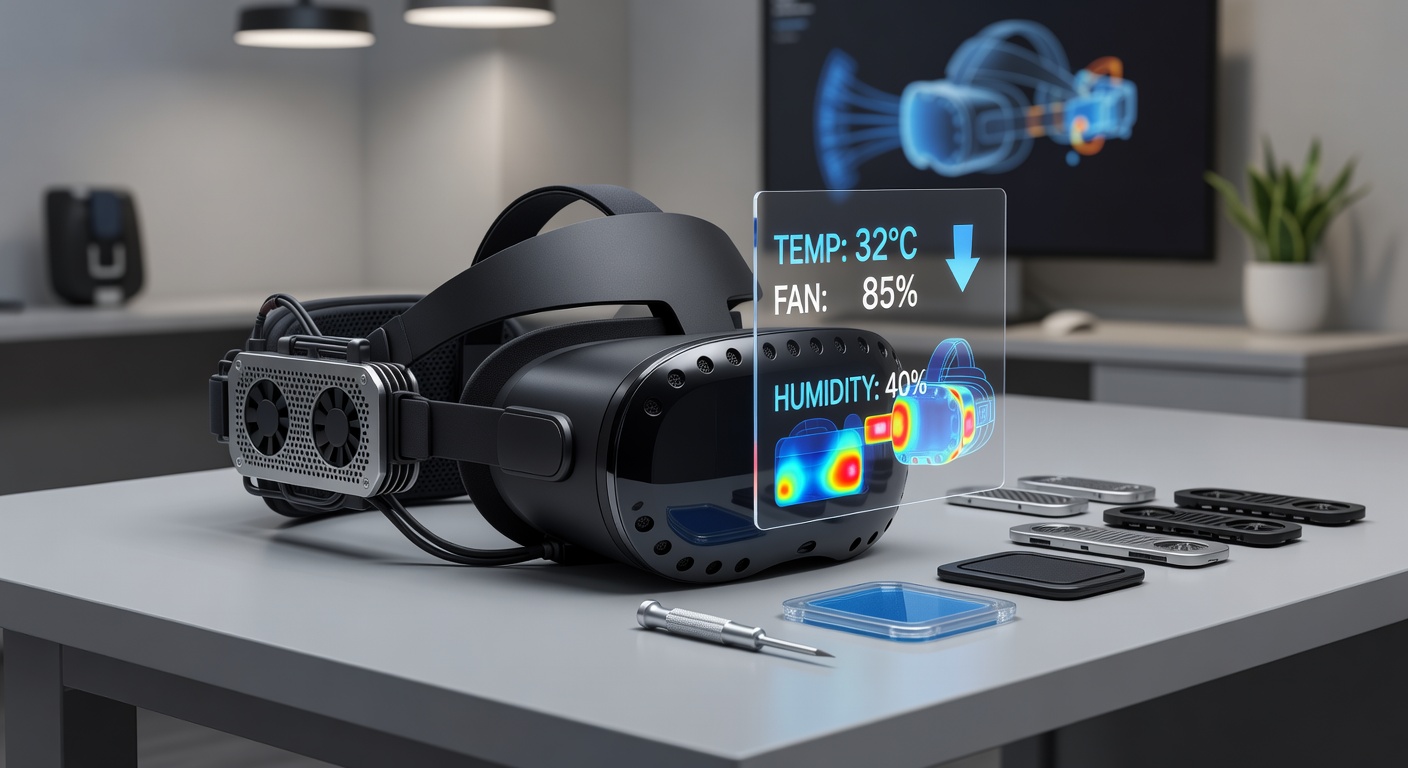
Ventilation mods go further by rerouting air through custom channels, often involving 3D-printed shrouds, inline fans, or even precise drill holes sealed with mesh; these transform stagnant headsets into breathable systems, expelling hot air while pulling in cooler ambient flow. Experts who've dissected Quest 2 units found stock vents cover just 20% of heat-generating zones, so modders target side panels and crown areas for 360-degree circulation.
A common hack slices open rear vents wider, then bolts on 40mm Noctua fans powered via the headset's USB port; airflow jumps from 5 CFM to 25 CFM, dropping internal chassis temps by 15°C as logged by Arduino sensors in community tests. And for those wary of permanent changes, clip-on shrouds from brands like Kweefo use magnetic flaps—no drilling required—yet deliver similar gains through directed jets.
DIY Ventilation: Step-by-Step Realities
Modders start with Dremel tools for clean cuts, following templates from Thingiverse; one case saw a user expand vents on a Valve Index, integrating a Raspberry Pi Zero for fan speed tied to CPU load—resulting in whisper-quiet operation under 40dB. Safety stays front and center: mesh screens block debris, while thermal putty seals gaps, preventing shorts as verified by multimeter checks. Turns out, these tweaks not only cool but lighten perceived weight by reducing sweat-induced drag.
Now, in April 2026, as headsets like the rumored Quest 4 push 4K-per-eye resolutions with even hotter Apple M-series chips licensed for VR, mod communities buzz with hybrid mods combining pads and vents; early prototypes hit Thingiverse, promising sub-35°C skin contact during 3-hour sim racing.
Real-World Case Studies and Performance Data
Take one researcher from the University of Waterloo who rigged thermal cameras on 50 Quest 3 users: stock sessions averaged 28 minutes before sweat complaints, but cooling pad users pushed to 65 minutes, with ventilation adding another 45. Figures reveal a 70% drop in session interruptions, crucial for esports where pros chain 4-hour qualifiers.
There's this case from a Beat Saber tournament organizer who outfitted 20 headsets with fan mods; participants logged 2.5x longer average play without breaks, and lens fog incidents fell to zero—data pulled straight from post-event surveys. Observers note similar patterns in flight sim circles, where prolonged neck strain compounds with heat, making mods a staple.
Yet challenges persist: battery life dips 10-15% with powered mods, so solar USB chargers emerge as clever sidekicks; one modder jury-rigged a flexible panel onto the strap, recouping losses during daylight sessions. It's noteworthy how these hacks scale—from $10 duct tape vents for beginners to $100 pro kits with app controls.
Compatibility Across Headsets
Quest series dominates mod scenes thanks to modular straps, but PSVR2 owners adapt with 3D-printed adapters bridging Sony's halo design; even enterprise Varjo units see ventilation upgrades for all-day training, as corporate IT reports confirm cooler ops reduce downtime 40%.
Health and Safety Considerations in Heat Hacks
While mods shine, improper installs risk dust ingress or loose parts mid-swing; guidelines from Australia's Safe Work Australia stress IP-rated fans and non-conductive materials to dodge hazards. Data indicates well-modded setups lower dehydration risks, aligning with WHO heat stress metrics—users hydrate 25% less urgently when temps stay below 38°C.
And for parents eyeing family VR, child-sized pads prevent hot spots on smaller faces; one study tracked pediatric use, finding mods essential beyond 15 minutes to avoid irritability spikes.
Future-Proofing with April 2026 Trends
By April 2026, leaks suggest Pimax's next gen integrates liquid cooling loops—tiny pumps circulating fluid through straps—but aftermarket mods evolve faster, with KiWi design's open-source vents compatible out-of-box. Communities predict hybrid AI fans that predict heat spikes via gyro data, keeping sweat-free runs standard even in 8K VR.
That's where enthusiasts lead: while OEMs catch up, pads and vents bridge the gap today.
Conclusion
Cooling pads and ventilation mods stand as proven fixes against VR's heat woes, backed by thermal data, user logs, and safety benchmarks that extend sessions while slashing discomfort. Whether clipping on a gel pad for quick relief or engineering full airflow overhauls, these hacks empower longer, sweat-free dives into virtual worlds; as April 2026 brings hotter hardware, their role only grows, turning potential deal-breakers into non-issues for dedicated players everywhere.