Quantum Mesh Networking Protocols Enable Stable Connections for Hybrid PC-Console Esports Events in Remote Competition Hubs
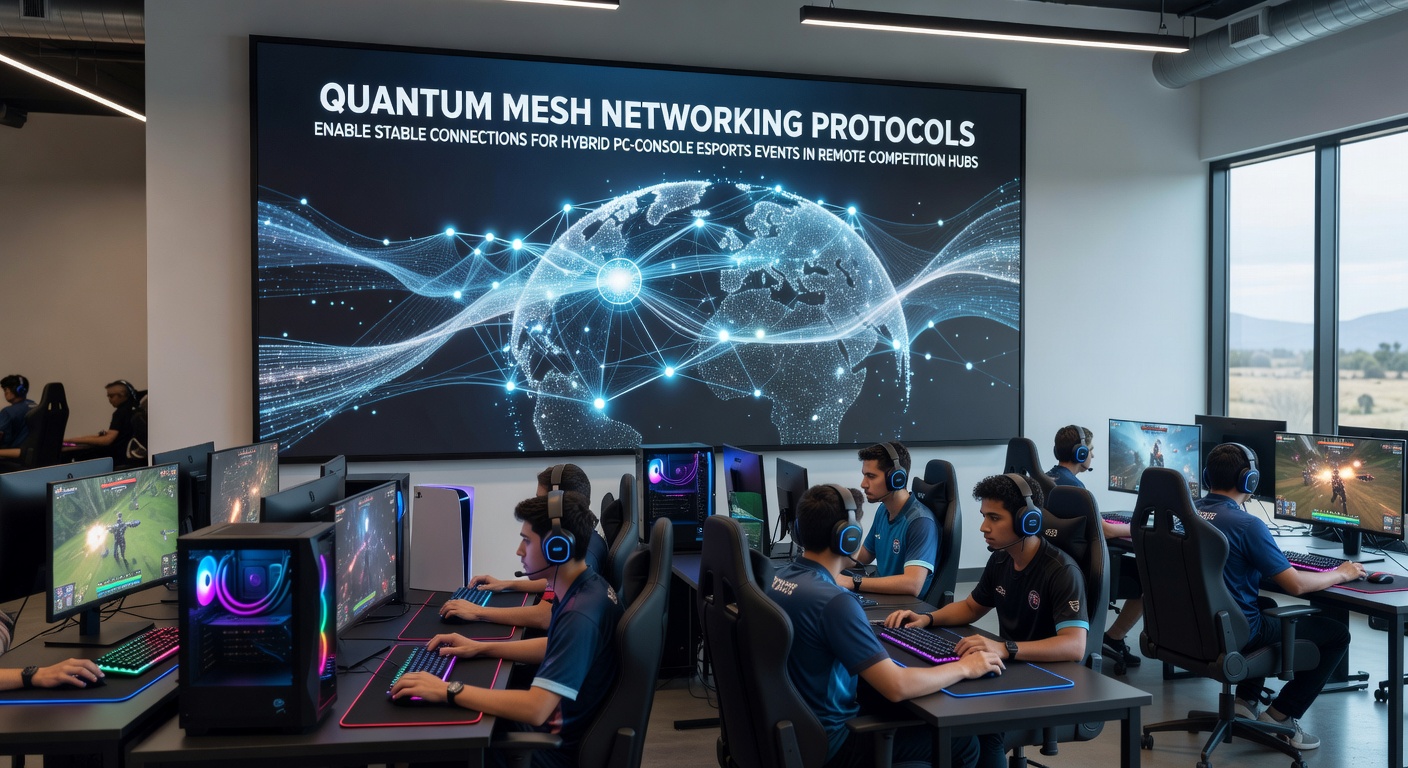
Quantum mesh networking protocols create interconnected node systems that maintain low-latency data transmission across distributed environments, and these systems support hybrid PC-console esports events by routing packets through multiple quantum-entangled pathways rather than relying on single linear connections. Researchers at institutions focused on quantum communications have demonstrated how these protocols reduce packet loss in areas with limited traditional infrastructure, which proves essential for competition hubs located far from urban data centers.
Remote competition hubs often operate in regions where standard fiber optic lines face frequent disruptions from weather or terrain challenges, yet quantum mesh protocols establish self-healing networks that reroute traffic automatically when one node encounters interference. Data from field tests conducted in mountainous areas of Canada show that such setups sustain connection stability during extended sessions involving simultaneous PC and console players competing in the same match.
Core Mechanics of Quantum Mesh Protocols
Each node in a quantum mesh network shares entangled photon pairs that allow instantaneous state correlation between devices, and this correlation enables predictive error correction before signal degradation occurs. Engineers integrate classical mesh routing algorithms with quantum key distribution to secure data streams while preserving the speed required for real-time esports interactions. Studies from the European Quantum Flagship program detail how these combined techniques achieve sub-10 millisecond latencies across hybrid device ecosystems in controlled environments.
Hybrid PC-console sessions introduce variable processing loads because consoles typically handle rendering differently from high-end PCs, so the protocols prioritize synchronization packets to align frame outputs and input responses. Observers note that this balancing occurs at the network layer without requiring game developers to alter existing codebases, which simplifies adoption for event organizers.
Deployment in Remote Esports Hubs
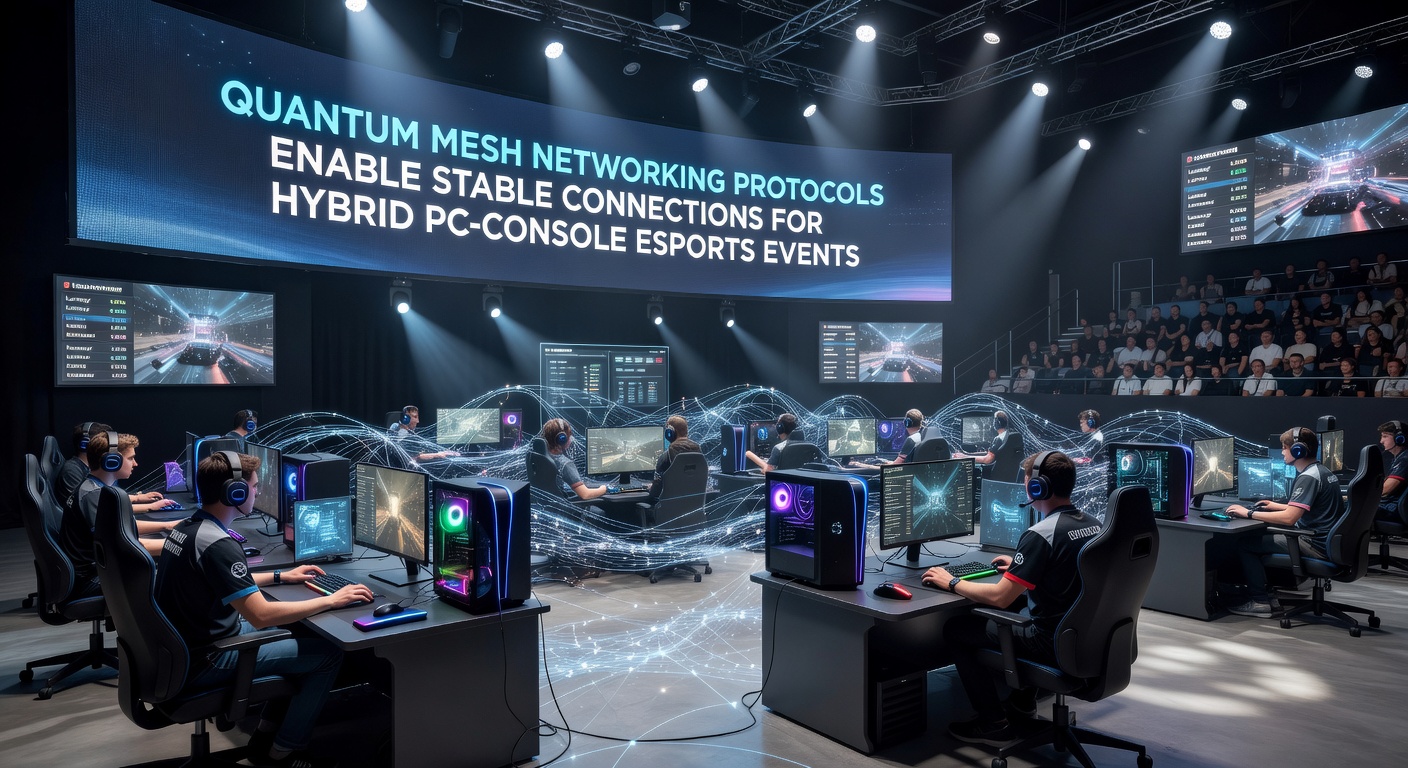
Competition organizers set up temporary quantum mesh nodes using portable transceivers that link local PCs and consoles into a unified fabric, and these nodes communicate with satellite uplinks for broader internet access when terrestrial options remain unavailable. In May 2026 several hubs in northern Australia implemented this configuration for cross-platform tournaments, resulting in uninterrupted play across mixed hardware setups despite surrounding geographic isolation.
Technicians calibrate node density according to participant numbers, placing additional units near high-traffic areas such as player stations and broadcast booths to prevent bottlenecks. Evidence from similar installations in Nordic countries indicates that five to seven nodes suffice for events hosting up to 200 hybrid competitors, with automatic scaling handled through distributed quantum routing tables.
Performance Metrics and Integration Challenges
Bandwidth measurements from deployed systems reveal sustained throughput exceeding 1 Gbps per active player pair, while jitter remains below 2 milliseconds during peak tournament hours. These figures emerge from monitoring tools that track both classical and quantum channel performance simultaneously, allowing operators to verify stability without interrupting ongoing matches.
Integration with existing esports software stacks requires minimal firmware updates on consoles and driver adjustments on PCs, and protocol stacks handle translation between device-specific networking stacks transparently. Teams managing events report that training for technical staff focuses primarily on node placement rather than deep quantum theory, which accelerates setup times to under four hours for standard venue sizes.
Future Outlook for Broader Adoption
Industry reports project expanded use of quantum mesh protocols in additional remote locations throughout 2026 and beyond, particularly as portable quantum hardware becomes more compact and energy efficient. Partnerships between network equipment manufacturers and esports leagues facilitate standardized testing protocols that validate performance across diverse console and PC configurations.
Conclusion
Quantum mesh networking protocols deliver the stable, low-latency infrastructure necessary for hybrid PC-console esports in remote competition hubs by leveraging entangled node connections and adaptive routing. Continued refinements in node portability and integration standards support wider deployment, while documented performance data from multiple regions confirm reliability under varied operational conditions.