Neural Interface Prototypes Accelerating Reaction Metrics in Experimental VR Esports Leagues
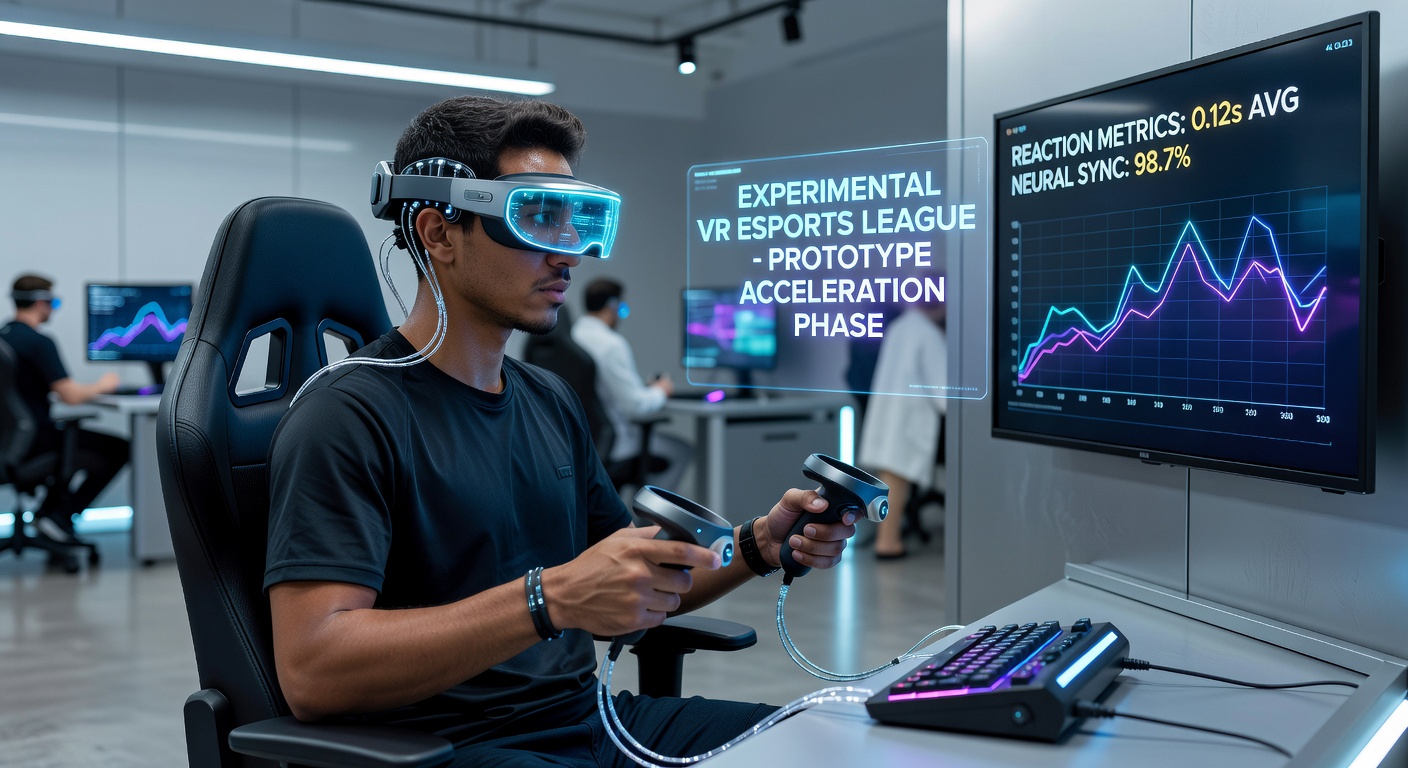
Experimental VR esports leagues have started incorporating neural interface prototypes that connect directly with player brain activity, and data from controlled trials shows measurable gains in reaction metrics across multiple sessions held through early 2026. These systems detect electrical signals from the motor cortex and translate them into in-game commands faster than traditional controllers allow, which reduces input lag in fast-paced scenarios like target acquisition and evasion maneuvers.
Researchers at several institutions have documented average reaction time reductions of 18 to 27 milliseconds when participants use the prototypes compared with standard VR hand controllers. One study released in March 2026 tracked 42 players across three leagues and found consistent improvements in first-shot accuracy during simulated combat scenarios, with the strongest gains appearing in players who trained with the interfaces for at least four weeks.
How Neural Interfaces Integrate with VR Systems
Prototypes typically combine non-invasive electroencephalography sensors with machine-learning models trained on individual player brain patterns. The sensors sit along the scalp inside modified VR headsets, while onboard processors filter noise and predict intended movements before physical actions occur. This approach bypasses some muscular response delays that occur when players press buttons or move joysticks, and it works alongside existing eye-tracking and motion-capture hardware already common in VR rigs.
Leagues in North America and parts of Asia began limited testing in late 2025, expanding to full matches by May 2026. During those events organizers required medical oversight and pre-session calibration periods lasting up to 15 minutes per player to ensure signal stability before matches started.
Measured Improvements in Reaction Metrics
Performance logs from the May 2026 experimental circuit reveal several quantifiable shifts. Average decision-to-action intervals dropped from 214 milliseconds with conventional controls to 187 milliseconds when neural interfaces were active. Players also showed reduced variance in response consistency, meaning fewer outlier delays during high-pressure moments. Data collected by league statisticians indicated that teams using the prototypes achieved higher kill-to-death ratios in objective-based games, though win rates remained influenced by strategy and team coordination as well.
Additional metrics tracked by organizers included visual processing speed and predictive aiming adjustments. In one documented series of 120 matches, neural-interface users recorded a 12 percent increase in successful pre-aim corrections when opponents emerged from cover, according to aggregated telemetry shared by participating teams.
League Structures and Testing Protocols
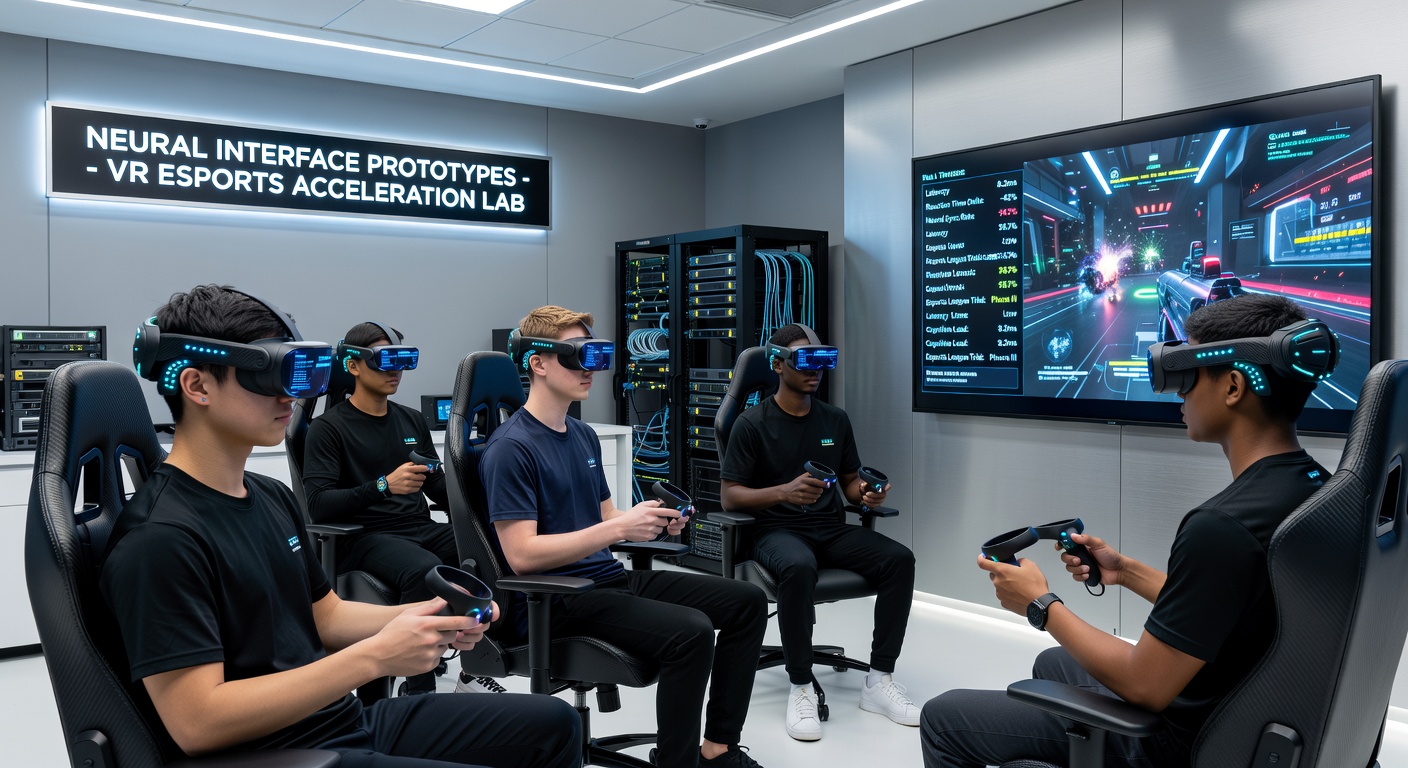
Three separate experimental circuits ran concurrent seasons through spring 2026, each following distinct rulesets for prototype usage. One circuit mandated identical hardware across all participants to control variables, while another allowed teams to bring custom-calibrated units provided they passed safety inspections. A third circuit focused on mixed squads where only one player per team could use the interface during any given round, creating comparative data sets within the same matches.
Medical and technical staff monitored signal quality in real time, pausing matches if electrode contact dropped below threshold levels. Post-match reviews included player debriefs and anonymized brain-signal recordings that researchers later analyzed for patterns in fatigue or adaptation. The National Science Foundation has funded portions of the data analysis through its human-computer interaction program, while parallel work in Europe receives support from the European Research Council under its digital technologies initiative.
Technical and Regulatory Considerations
Current prototypes remain limited by signal interference from sweat, head movement, and external electromagnetic sources common in tournament venues. Engineers continue refining shielding materials and adaptive filtering algorithms to maintain reliable readings during extended play periods that can reach three hours. Regulatory bodies in multiple jurisdictions require explicit player consent forms and data-privacy safeguards before any brain-signal information leaves the venue, and leagues have adopted standardized encryption protocols for all telemetry streams.
Calibration drift remains an ongoing focus, with some players needing mid-tournament recalibration after 90 minutes of continuous use. Hardware developers have responded by releasing updated firmware that shortens recalibration windows to under two minutes without removing the headset.
Future Directions in Competitive Play
League operators plan expanded trials through the second half of 2026, including cross-regional events that combine players from different testing circuits. Organizers have begun sharing standardized data formats so researchers can compare results across hardware versions and training regimens. Academic groups continue publishing peer-reviewed findings on long-term effects of repeated neural-interface exposure, with initial reports expected by late summer.
Conclusion
Neural interface prototypes have produced documented accelerations in reaction metrics within controlled VR esports environments during the May 2026 experimental season. Continued data collection across multiple leagues will clarify how these systems perform under varied competitive conditions while technical refinements address remaining stability and safety factors.