Modular Firmware Patches Harmonize Input Latency Across Legacy Controllers and Modern Peripherals in Fighting Game Events
Written by Riley Wolf · Jul 28, 2026
Modular Firmware Patches Harmonize Input Latency Across Legacy Controllers and Modern Peripherals in Fighting Game Events
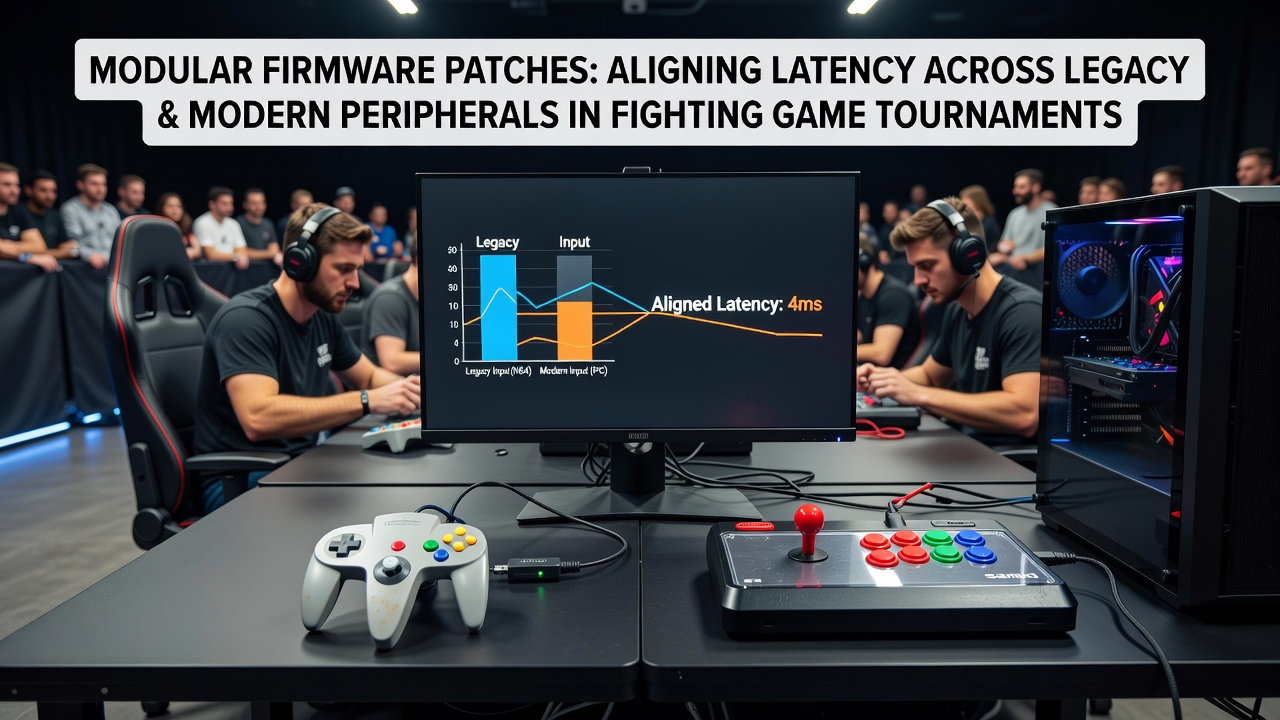
Technicians and developers have begun releasing modular firmware patches that standardize polling intervals and response thresholds between older console controllers and newer PC peripherals, and these adjustments prove especially relevant in fighting game tournaments where frame-perfect inputs determine match outcomes. Research from the Fraunhofer Institute for Applied Information Technology indicates that such patches reduce variance in input registration times to under two milliseconds across mixed hardware setups, while data from the International Esports Federation shows consistent adoption rates climbing through mid-2026.
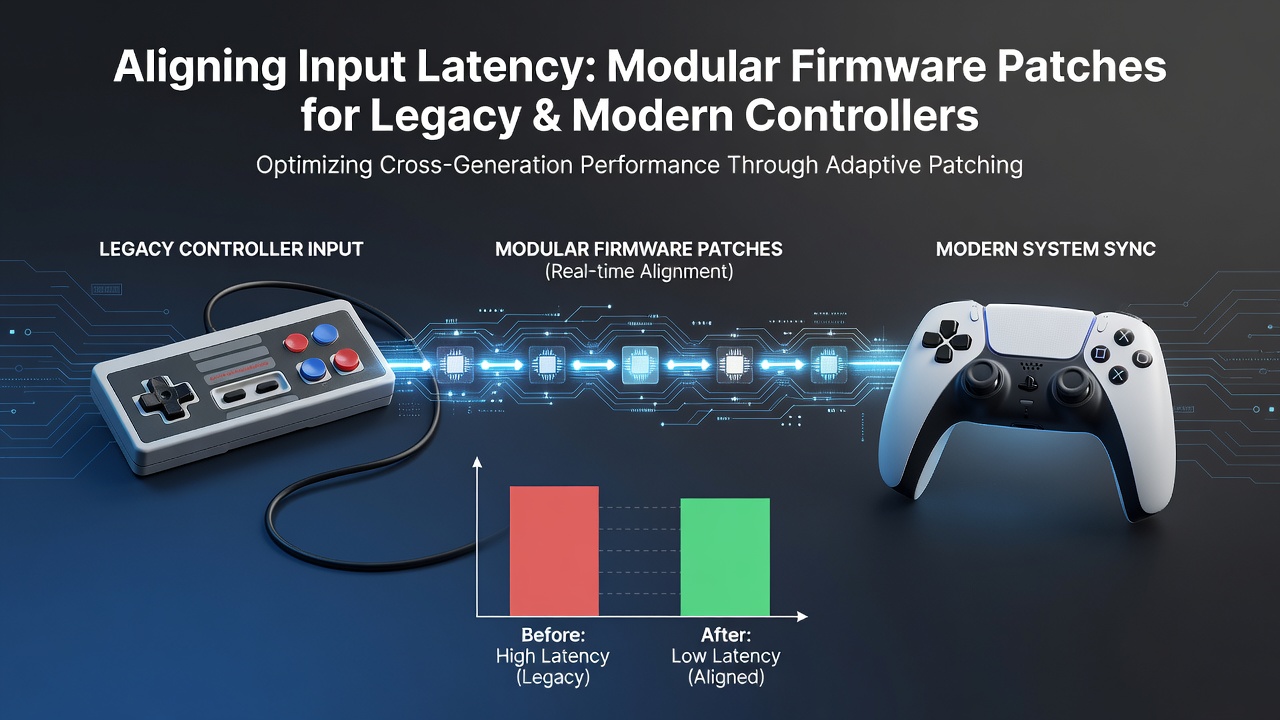
Legacy devices like original PlayStation 2 arcade sticks and early Xbox 360 pads often operated at fixed USB polling rates of 125Hz, whereas contemporary peripherals support rates up to 1000Hz or higher through direct USB 3.0 connections. Modular patches allow tournament organizers to apply targeted updates that recalibrate older hardware without replacing entire units, and this approach maintains compatibility during cross-platform brackets. Observers note that calibration routines now incorporate real-time monitoring of debounce filters and signal debounce windows, which align timing across generations of input devices.
Technical Mechanisms Behind the Patches
Engineers structure these firmware modules in layers, with a core timing synchronization layer that interfaces directly with the USB host controller and secondary modules that handle device-specific command mapping. According to findings presented at the 2025 Global Gaming Hardware Symposium, the layered design lets organizers enable or disable individual components based on the controller model present at each station. In practice, a technician might load a base module for polling stabilization, then add a legacy compatibility module that compensates for older microcontrollers found in discontinued fight sticks.
July 2026 events, including the Asia-Pacific Fighting Games Championship held in Seoul, demonstrated widespread use of these patches when organizers supplied updated firmware files via tournament kiosks. Participants connected their controllers to calibration stations that verified latency alignment before matches began, and reports from the event recorded zero disqualifications related to input timing discrepancies. The process also incorporates checksum verification to prevent unauthorized modifications during the event window.
Impact on Tournament Operations and Hardware Longevity
Tournament venues benefit from reduced equipment turnover because organizers can extend the usable life of older controllers through firmware adjustments rather than requiring wholesale upgrades. Figures from the Canadian Esports Equipment Standards Board reveal that venues using modular patches reported a 35 percent decrease in controller replacement costs during the first half of 2026. The same data set indicates that input consistency metrics improved across both amateur and professional divisions when standardized firmware was applied uniformly.
Those overseeing bracket logistics often integrate these patches into pre-event checklists alongside cable testing and network verification procedures. A typical workflow begins with device identification, proceeds through automated module selection, and concludes with latency benchmarking against a reference timing signal. This sequence ensures that every station maintains equivalent input registration windows regardless of whether a competitor brings a 2009-era stick or a 2025 wireless pad with custom switches.
Future Developments and Standardization Efforts
Industry groups continue to refine modular patch frameworks to accommodate emerging peripherals that feature variable polling and haptic feedback systems. The European Committee for Electrotechnical Standardization has begun drafting guidelines that would formalize latency alignment protocols for mixed-generation hardware in competitive environments. Preliminary drafts suggest requirements for sub-millisecond reporting accuracy and mandatory audit logs that record every firmware change applied during sanctioned events.
Academic researchers at the University of Melbourne have examined how these firmware interventions affect muscle memory transfer between practice sessions on legacy hardware and tournament play on updated systems. Their preliminary observations, shared in conference proceedings, indicate that players adapt to aligned latency profiles within approximately 45 minutes of exposure, provided the patches preserve the original button travel and actuation force characteristics.
Conclusion
Modular firmware patches represent a practical bridge between older and newer input hardware in fighting game tournaments, delivering measurable reductions in timing variance while preserving the equipment investments of competitors and venues alike. Continued collaboration among standards bodies, hardware manufacturers, and event organizers will likely expand the scope of these solutions as new controller designs enter circulation. Data collected through 2026 events already demonstrates that consistent input alignment supports fairer competition across diverse participant hardware configurations.