Middleware Pipelines Managing Input Latency Variations Across Touchscreens and Controllers in Development Testing Workflows
Core Architecture of Middleware in Input Handling
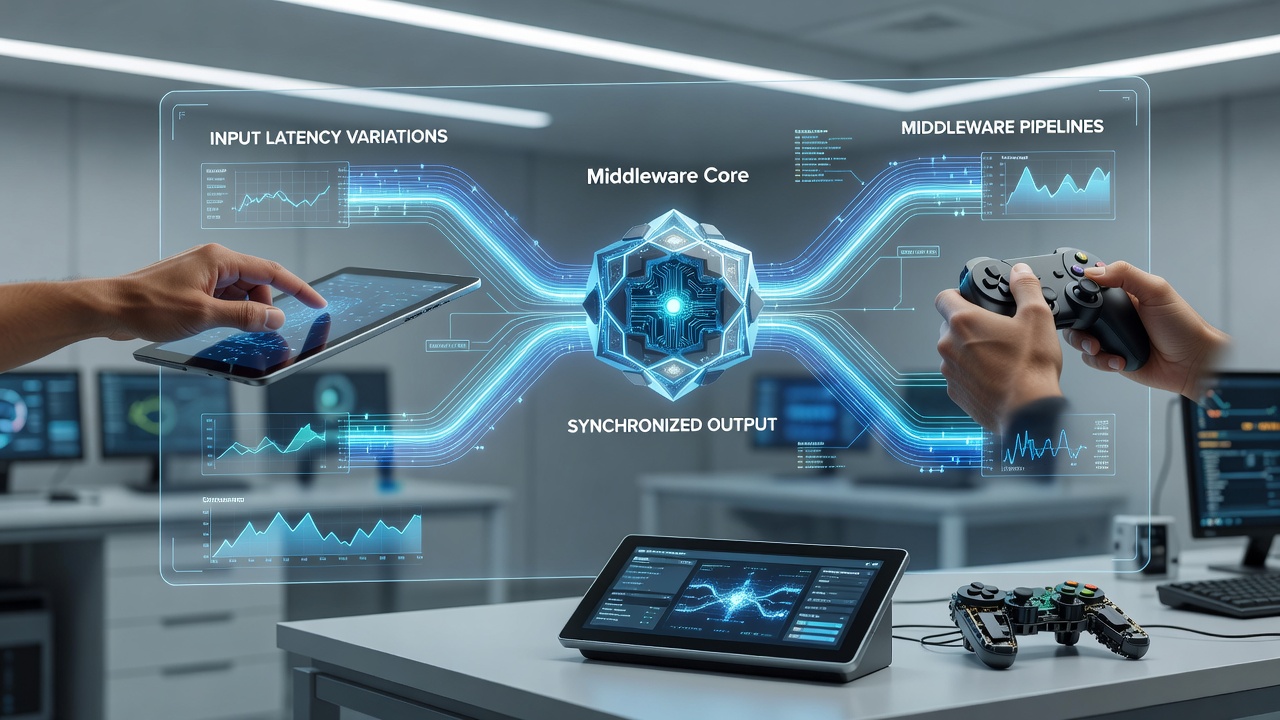
Developers integrate middleware pipelines to normalize signals from diverse input sources before they reach game engines, and these systems detect variations in response times between touch-based interfaces and physical controllers. Research indicates that touchscreens often introduce delays ranging from 20 to 80 milliseconds due to digitizer processing while controller inputs via USB or Bluetooth typically register between 5 and 15 milliseconds according to IEEE technical papers on input device performance. The pipelines apply buffering algorithms and predictive interpolation to align these streams during automated test suites run in June 2026 development cycles.
Engineers configure the middleware to sample inputs at consistent intervals, yet hardware differences force dynamic adjustments. One testing framework at a European lab demonstrated how timestamp synchronization modules recalibrate data packets on the fly and prevent desync issues when switching between capacitive screens and analog sticks in the same session.
Latency Detection Mechanisms During Testing
Automated workflows embed latency probes directly into the pipeline so that each input event carries metadata about arrival time and source type. Observers note that this approach allows scripts to flag discrepancies exceeding predefined thresholds and route problematic sequences to manual review. Data from multi-device rigs shows touch inputs lagging behind controller signals by an average of 45 milliseconds in cross-platform builds, prompting the middleware to apply compensation filters that shift timing offsets without altering gameplay logic.
Teams often combine hardware timers with software clocks to measure end-to-end delay, and these measurements feed into regression databases updated weekly. When variations spike during high-load scenarios such as simultaneous multi-touch gestures paired with button presses, the system logs detailed traces for later analysis by quality assurance specialists.
Adaptation Strategies Across Device Types
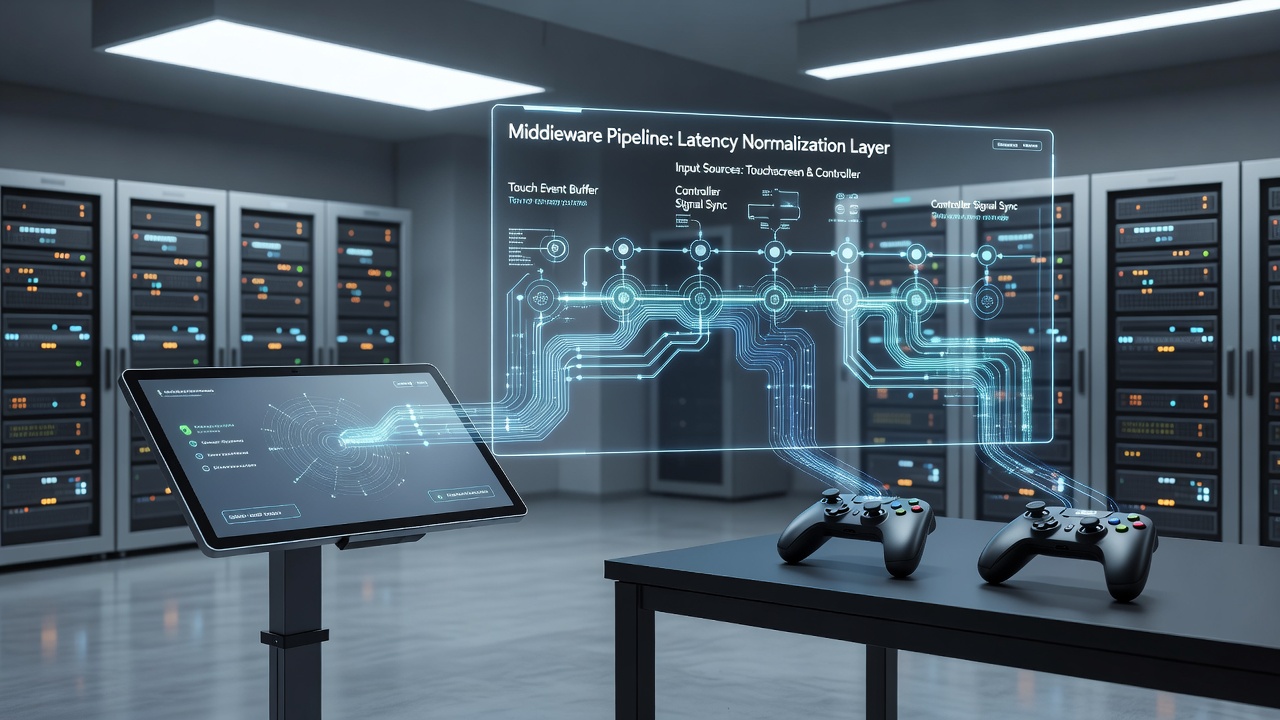
Middleware layers incorporate device-specific profiles that define expected latency ranges for touchscreens versus traditional controllers, and these profiles update through calibration routines executed at the start of each test batch. Researchers discovered that applying low-pass filters selectively to touchscreen data reduces perceived jitter while preserving the crisp response of wired controllers. In practice, the pipeline routes controller signals through minimal processing paths and subjects touchscreen streams to additional smoothing passes before merging them into a unified input state.
Testing environments simulate real-world conditions by introducing artificial network jitter and thermal variations that affect controller polling rates, yet the middleware maintains consistency through adaptive polling adjustments. Figures from industry reports reveal that such techniques lowered input mismatch errors by 30 percent in hybrid device sessions conducted across North American and Australian studios.
Integration with Broader Development Pipelines
Continuous integration systems invoke middleware pipelines as part of automated build verification, and they generate reports that compare latency metrics across operating systems and hardware revisions. The setup allows developers to isolate whether a latency spike originates from the input layer or from downstream rendering calls. When issues appear, the workflow triggers targeted retests using isolated input subsets to narrow down root causes without restarting full suites.
But here's the thing: many frameworks now expose configuration hooks that let teams tune compensation strength per input category, and this flexibility supports rapid iteration when new touchscreen technologies enter testing. External validation from regulatory bodies such as the Canadian Digital Media Research Institute confirms that standardized latency reporting improves cross-device compatibility in certified titles.
Conclusion
Middleware pipelines continue to evolve as essential components in handling input latency variations, and their role in development testing workflows grows alongside the diversity of available hardware. Observers note that consistent application of synchronization and filtering techniques enables reliable performance data across touchscreens and controllers. Teams that maintain detailed calibration records and integrate these systems early achieve smoother validation cycles as new devices reach the market.