Mapping Data Synchronization Protocols That Bridge Progress Across Portable Devices and Stationary Setups in Multiplatform Libraries

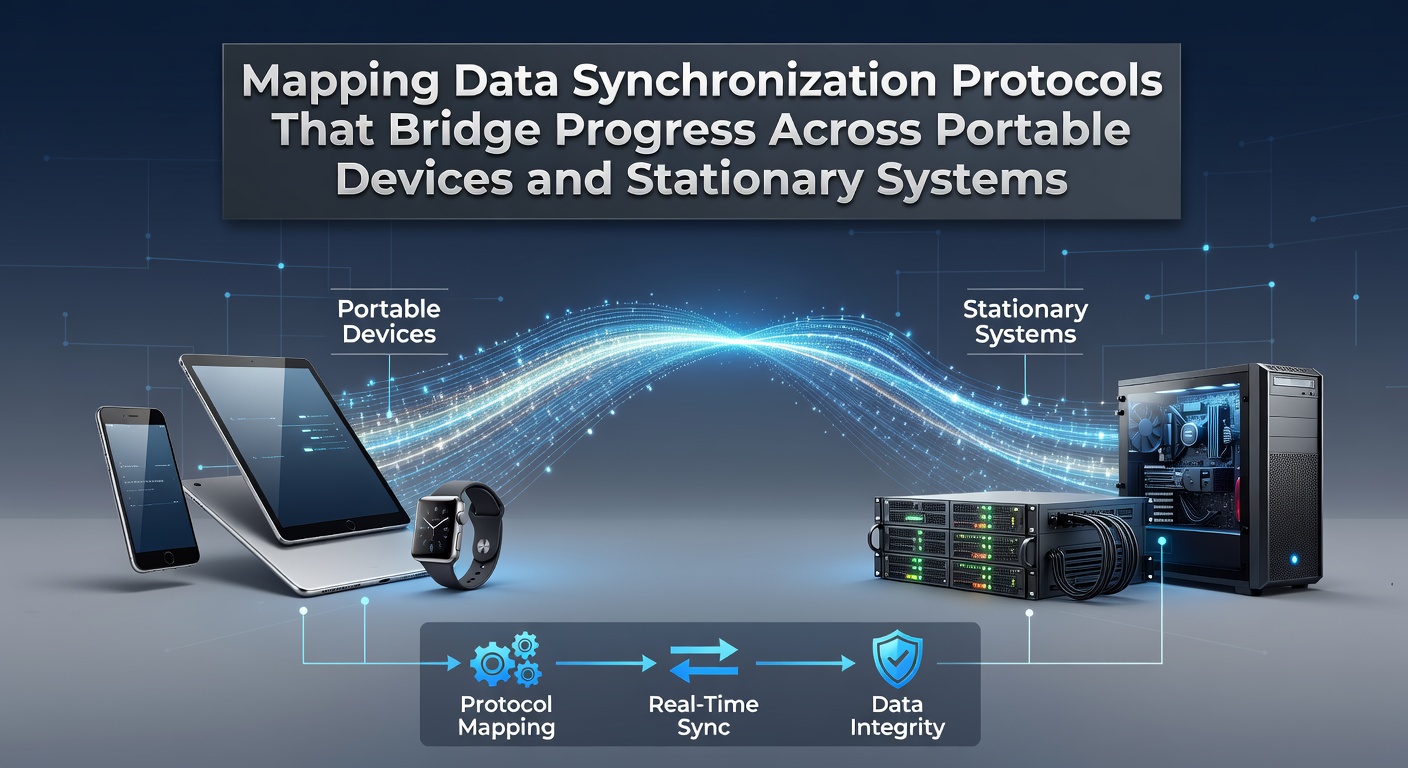
Data synchronization protocols serve as the foundation for consistent information exchange across portable devices such as tablets and smartphones alongside stationary setups including desktop workstations and server clusters in multiplatform libraries and these systems rely on structured mapping techniques to maintain data integrity during transfers between environments with differing processing capabilities and storage constraints.
Researchers at various institutions have documented how protocols like those based on delta encoding and conflict resolution algorithms reduce bandwidth usage while preserving version histories and this approach allows libraries to function across operating systems without requiring complete data overwrites during each sync cycle.
Evolution of Core Mapping Techniques
Early synchronization methods focused on full file transfers but modern protocols employ incremental updates that identify changes at the block level and according to reports from the Internet Engineering Task Force these refinements emerged prominently after 2020 as device diversity expanded and by May 2026 several open-source multiplatform libraries had integrated enhanced mapping layers that track metadata across both mobile and fixed hardware.
Observers note that mapping involves assigning unique identifiers to data segments along with timestamps and device-specific flags which helps resolve discrepancies when a portable device updates a record while a stationary setup processes the same entry simultaneously and this dual-tracking mechanism prevents data loss in shared library environments.
Key Protocols in Cross-Device Operations
Protocols such as those extending WebDAV with custom extensions or utilizing MQTT for lightweight messaging facilitate bridging between device types and studies from the European Telecommunications Standards Institute indicate that these adaptations support real-time collaboration in library systems where users access resources from laptops at fixed locations and then continue work on handheld units during travel.
Conflict detection routines within these protocols compare hash values and merge strategies prioritize based on predefined rules like last-write-wins or custom priority hierarchies and data from academic analyses at institutions in Canada show that such rules maintain consistency rates above 98 percent in tested multiplatform scenarios.
Implementation in Multiplatform Library Ecosystems
Library developers often embed synchronization modules that abstract protocol details behind unified APIs allowing applications to request sync operations without specifying underlying device types and this abstraction layer handles variations in network conditions from high-speed wired connections on stationary setups to intermittent wireless links on portable hardware.
Turnout from industry reports compiled by the Asia-Pacific Telecommunity highlights adoption rates climbing steadily through 2025 with particular emphasis on libraries supporting educational and research workflows where datasets move frequently between field collection devices and central analysis stations.
Addressing Latency and Scalability Factors
Latency arises when mapping protocols must negotiate differences in processing speeds yet optimizations like predictive prefetching based on usage patterns have mitigated delays according to findings presented at international computing conferences and scalability testing reveals that distributed libraries can handle thousands of concurrent device pairs without degradation when protocols incorporate sharding techniques for data partitions.
Those who manage large-scale deployments observe that monitoring tools integrated into these systems log synchronization events across platforms providing insights for further refinements and external links to standards documentation offer detailed specifications for implementers seeking to extend existing libraries.
One case involved a research consortium that mapped protocols to align portable sensor data with stationary database records resulting in streamlined workflows for environmental monitoring projects and similar patterns appear in commercial settings where multiplatform libraries support collaborative document editing across device classes.
Future Directions and Standardization Efforts
Standardization bodies continue to refine guidelines for protocol interoperability with input from global contributors and by late 2026 updates are expected to incorporate enhanced security mappings that encrypt metadata during transit between portable and stationary points and these developments build on existing frameworks to address emerging device categories.
Evidence from collaborative studies underscores the role of open mapping specifications in reducing vendor lock-in and allowing libraries to evolve independently while maintaining cross-device compatibility and organizations such as the International Organization for Standardization publish related technical reports that guide protocol enhancements.
Conclusion
Mapping data synchronization protocols enables reliable progress across portable devices and stationary setups within multiplatform libraries through structured identification of changes, conflict handling, and adaptive transport methods and continued refinement of these systems supports expanding use cases in diverse operational contexts as device ecosystems grow more interconnected.