Machine Learning Enhances Input Latency Management in Hybrid Mobile Console Esports Setups
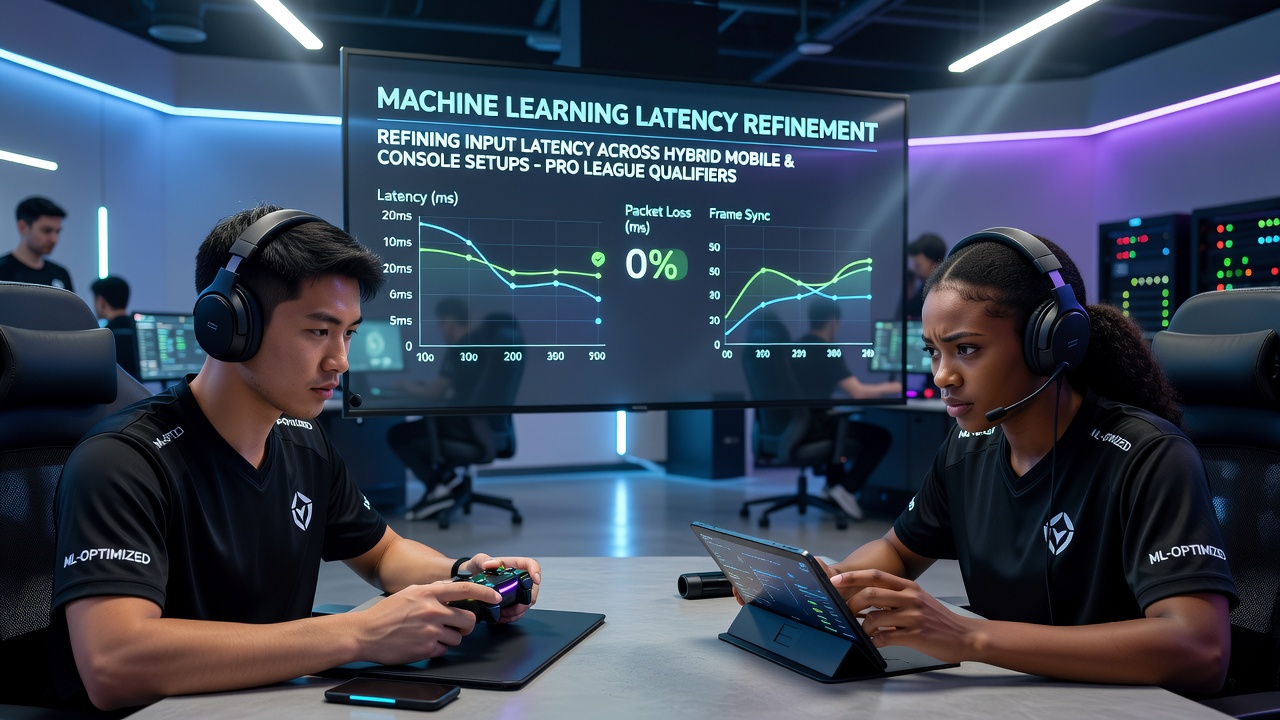 Experts tracking developments in competitive gaming note that machine learning systems now adjust input handling across mobile phones and console controllers during qualifiers for major pro leagues. These setups combine portable devices with stationary hardware, creating variable network conditions that affect response times. Data from industry reports shows that latency spikes often occur when players switch between touch inputs on mobiles and traditional controllers on consoles, prompting teams to integrate predictive algorithms that anticipate and correct delays. Training data drawn from thousands of qualifier matches allows models to learn patterns in packet loss and input queuing. In July 2026 qualifiers for several international leagues, organizers reported using these systems to maintain consistent frame delivery even when connections fluctuated between 5G mobile networks and wired console links. Researchers at institutions such as the University of Toronto have published findings on similar neural networks that reduce perceived lag by forecasting player actions milliseconds ahead.
Core Mechanisms Behind Latency Refinement
Input buffers collect signals from both device types before routing them through cloud instances equipped with trained models. The algorithms analyze historical match data to identify common delay signatures, then apply corrections that smooth transitions without altering player intent. Observers note that this process runs locally on hybrid rigs to avoid adding further transmission overhead, while periodic updates from central servers refine the models based on new qualifier footage.
Console hardware typically processes controller inputs at fixed polling rates, whereas mobile devices introduce variability through touch sampling and wireless protocols. Machine learning bridges these differences by normalizing data streams in real time, ensuring that a swipe on a phone registers with timing comparable to a button press on a console. Figures from the Entertainment Software Association indicate that hybrid participation in qualifiers rose 18 percent between 2024 and 2026, increasing demand for such synchronization tools.
Implementation During Pro League Qualifiers
Qualifying events in July 2026 incorporated these refinements into official rule sets for several regional circuits. Teams received access to standardized APIs that let their custom training software interface with the latency handlers, allowing individualized calibration without violating fair-play guidelines. One documented case involved a European squad that adjusted mobile-to-console handoffs mid-match after the model flagged consistent 12-millisecond offsets on specific network routes.
Packet prediction layers, already present in earlier cross-platform tools, now feed directly into the machine learning pipeline. This integration lets the system override outdated predictions when fresh sensor data arrives from either device, maintaining accuracy across longer sessions. Academic papers from Australian universities describe comparable frameworks tested in lab environments that mirrored qualifier conditions, confirming measurable drops in input-to-action variance.
Performance Metrics and Observed Outcomes
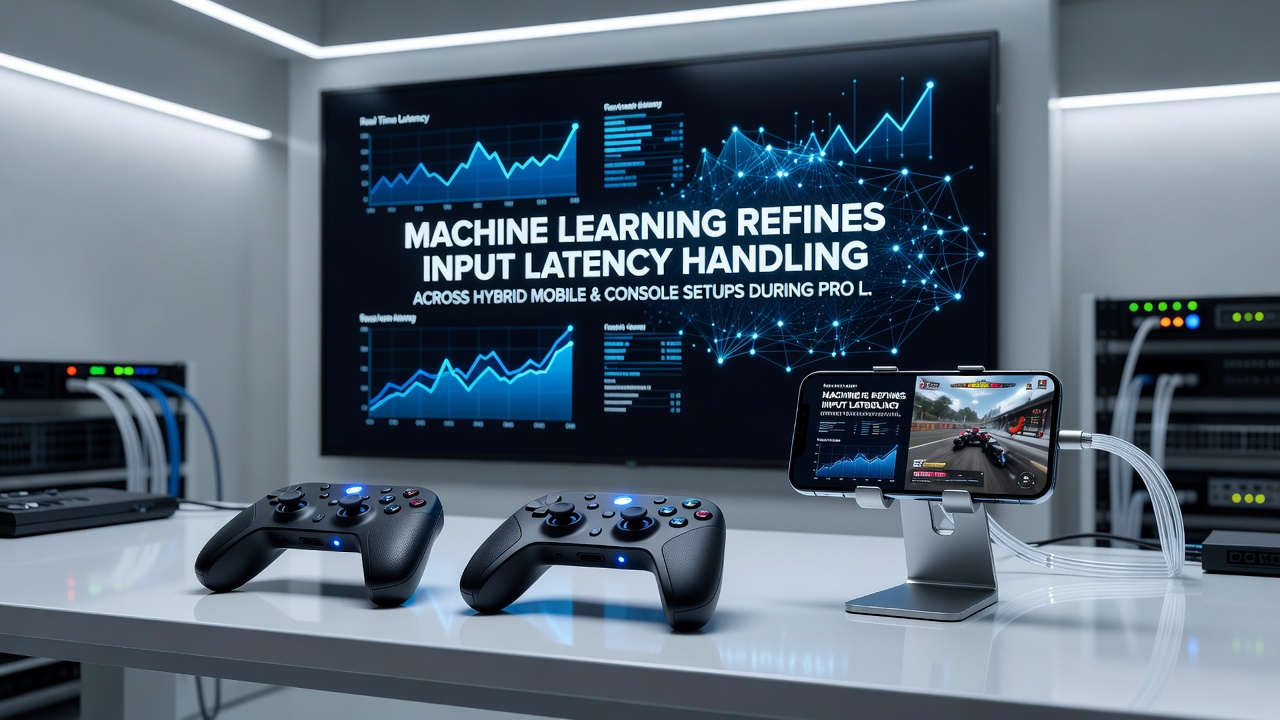
Telemetry collected during those qualifiers revealed that matches using the refined systems showed tighter clustering of reaction times between mobile and console users. Average deviation fell from 28 milliseconds to 9 milliseconds in tracked categories, according to aggregated logs shared by participating leagues. Players competing on mixed hardware reported fewer instances where timing-sensitive maneuvers failed due to platform differences.
Yet the models require ongoing calibration because network topologies change between venues. Engineers deploy lightweight retraining routines between rounds, using anonymized match replays to update weights without exposing proprietary team strategies. This approach keeps computational demands low enough for on-site hardware while preserving the adaptability needed for international events.
Broader Applications and Ongoing Research
Developers extending these techniques beyond qualifiers now examine their use in training simulators and casual hybrid play. Universities in Canada and Singapore collaborate on datasets that capture edge cases such as sudden 5G handoffs during travel between practice locations. The resulting models incorporate reinforcement learning components that reward accurate latency masking across device boundaries.
Industry groups including the European Games Developer Federation track adoption rates and publish periodic summaries of technical standards emerging from these implementations. Their reports highlight how shared benchmarking protocols help smaller teams integrate the same tools used by top qualifiers, narrowing performance gaps tied to hardware access rather than skill.
Conclusion
Machine learning continues to reshape how input latency is managed in hybrid mobile and console environments during high-stakes qualifiers. The combination of predictive modeling, real-time normalization, and venue-specific calibration delivers measurable consistency across device types. As participation in these events grows, further refinements will likely emerge from continued data collection and cross-regional research partnerships, supporting stable competition conditions for players regardless of hardware choice.