How Specialized Manufacturing Techniques Create Bespoke Peripherals for Genre-Specific Competitive Play on Varied Hardware Platforms
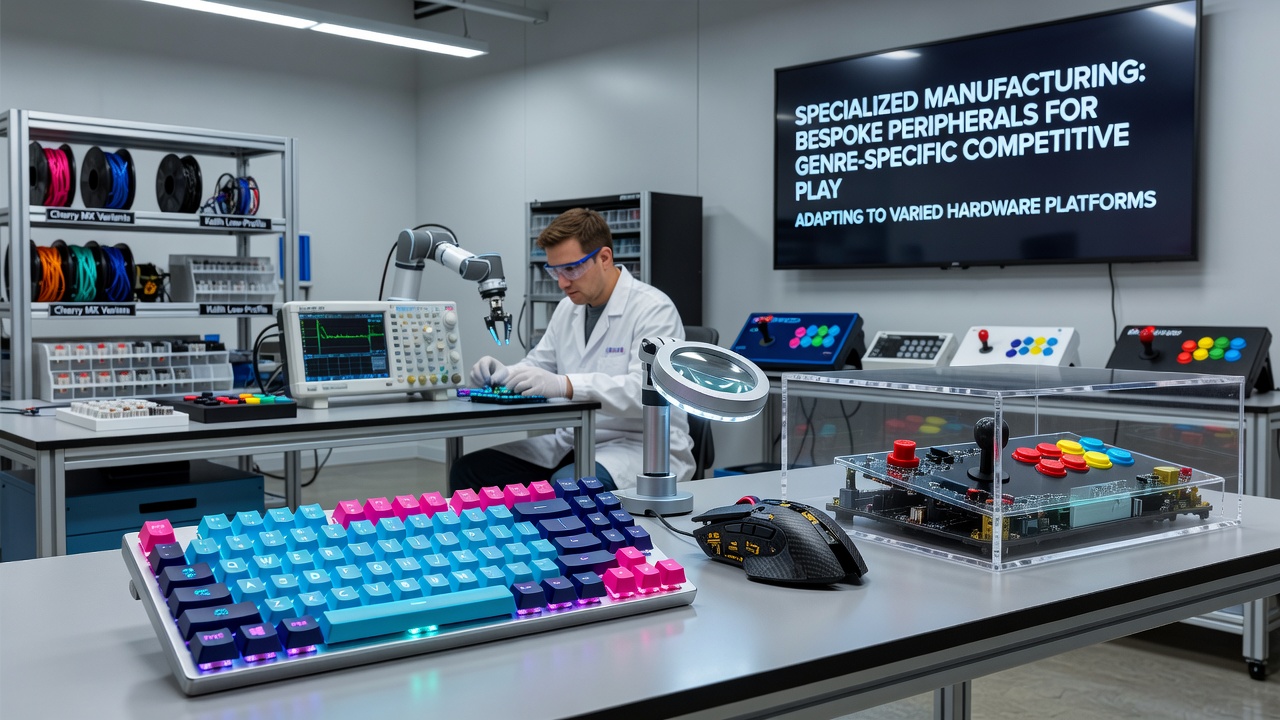
Specialized manufacturing techniques now allow production of peripherals tailored to specific game genres while supporting hardware platforms from high-end PCs to handheld consoles and mobile devices, and these processes combine precision engineering with material science to meet the demands of competitive environments.
Core Manufacturing Methods Behind Custom Designs
Computer numerical control machining, selective laser sintering, and multi-material injection molding form the foundation for creating components that differ significantly from mass-market alternatives, and each method addresses unique requirements such as button actuation force, grip ergonomics, and weight distribution that vary by genre. CNC processes carve aluminum or titanium frames for fighting game controllers to exact millimeter tolerances, while additive manufacturing builds internal structures that reduce latency in analog inputs for first-person shooters across both stationary PCs and portable systems.
Genre Adaptations in Production
Real-time strategy peripherals often feature extended key clusters produced through overmolding techniques that embed conductive sensors directly into keycaps, and these clusters support rapid macro execution on both desktop keyboards and hybrid console setups. In contrast, rhythm game controllers rely on piezoelectric sensor arrays embedded during the molding stage, which deliver consistent response curves whether connected to arcade cabinets or mobile devices via Bluetooth modules. Manufacturers adjust polymer blends and spring tensions during assembly to match the input profiles documented in competitive play data from events held through July 2026.
Data from the Entertainment Software Association indicates that demand for such genre-specific hardware grew steadily as cross-platform tournaments expanded, and this growth prompted suppliers to integrate rapid prototyping loops that test designs on multiple operating systems within single production cycles.
Platform-Specific Customization Processes
Hardware differences between PC, console, and mobile environments drive distinct calibration steps during manufacturing, and engineers program firmware that accounts for varying polling rates and input protocols before final enclosure sealing. For example, analog stick modules destined for Nintendo Switch-compatible devices undergo additional friction testing to maintain precision during handheld sessions, whereas the same base module receives reinforced shafts when prepared for Xbox tournament rigs. These adjustments occur on shared assembly lines that switch between configurations using modular tooling fixtures, and the approach minimizes retooling time between batches.
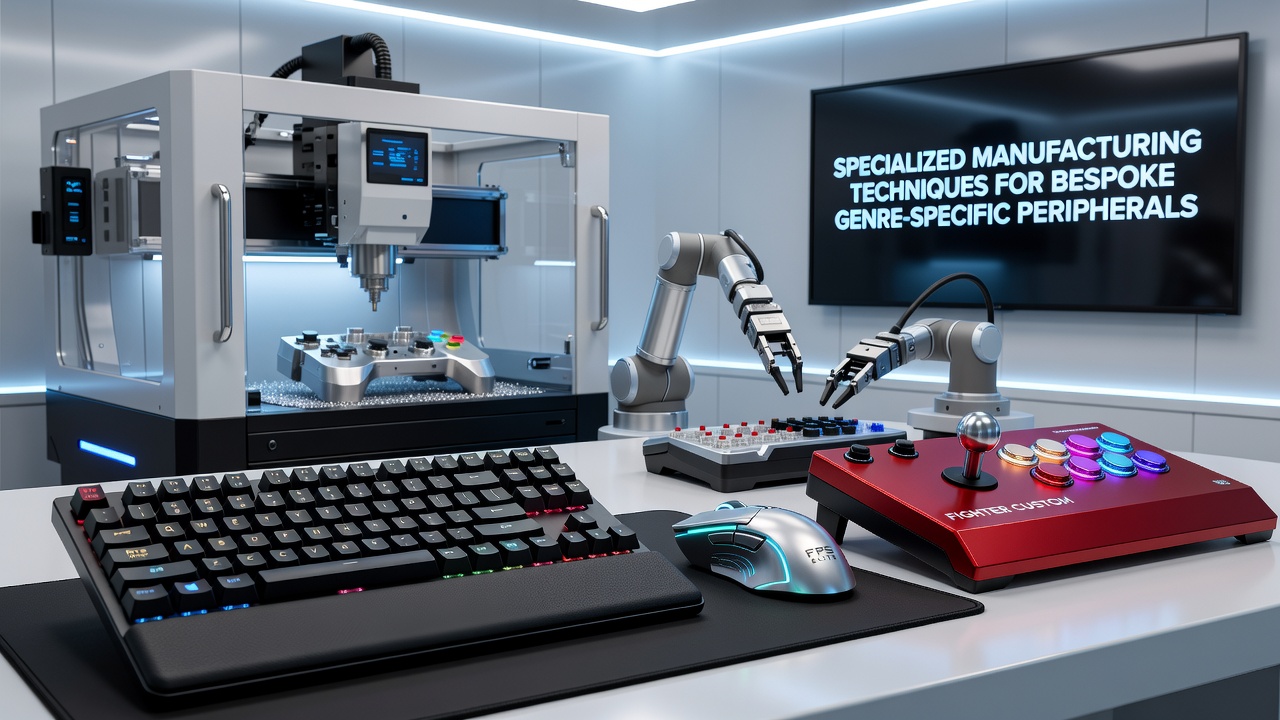
Observers note that injection molding facilities now incorporate in-line quality sensors that measure actuation consistency across thousands of units per shift, and this monitoring supports the tight tolerances required when peripherals must perform identically whether used in LAN events or remote qualifiers.
Material and Sensor Integration
Carbon-fiber composites and specialized thermoplastics appear frequently in frames that must remain lightweight for extended mobile esports sessions yet durable enough for console-based team competitions, and sensor integration happens through surface-mount technology lines that place Hall-effect or optical switches at precise depths within the housing. Research published by the IEEE Computer Society details how these placements reduce signal noise when devices switch between wired USB and wireless protocols, and production teams apply the findings during final calibration stages before packaging.
European Games Developer Federation reports highlight that supply chains for these components now span facilities in multiple regions, which allows faster iteration when new genre requirements emerge from evolving tournament rulesets. Teams coordinate through shared digital twins of each peripheral model, and this coordination ensures that a fighting stick produced for PlayStation hardware receives the same button travel specifications as its PC counterpart.
Assembly and Validation Across Ecosystems
Final assembly incorporates firmware flashing stations that load platform-specific drivers in sequence, and validation suites run automated input pattern tests that simulate competitive scenarios drawn from multiple genres. These tests confirm that latency remains within acceptable bounds whether the device connects to a stationary rig or a portable console, and any unit falling outside parameters returns to earlier production stages for adjustment. The process supports the creation of limited-run peripherals commissioned directly by esports organizations for events scheduled later in 2026.
According to figures from the Canadian Interactive Digital Entertainment Association, adoption of such bespoke hardware correlates with measurable improvements in input accuracy during cross-device practice sessions, and manufacturers continue to refine their methods in response to aggregated performance datasets shared by tournament organizers.
Conclusion
Specialized manufacturing techniques continue to evolve in response to the expanding range of competitive genres and hardware platforms, and the combination of precision machining, additive processes, and integrated sensor calibration produces peripherals that meet the distinct mechanical and electronic demands of each category. Facilities that coordinate these steps across global supply networks deliver consistent products suitable for both professional circuits and broader player bases, while ongoing data exchange between developers and producers supports further refinements aligned with new tournament formats.