How Developers Fine-Tune Anti-Cheat Protocols for Mixed-Device Esports Qualifiers Spanning PC and Portable Systems
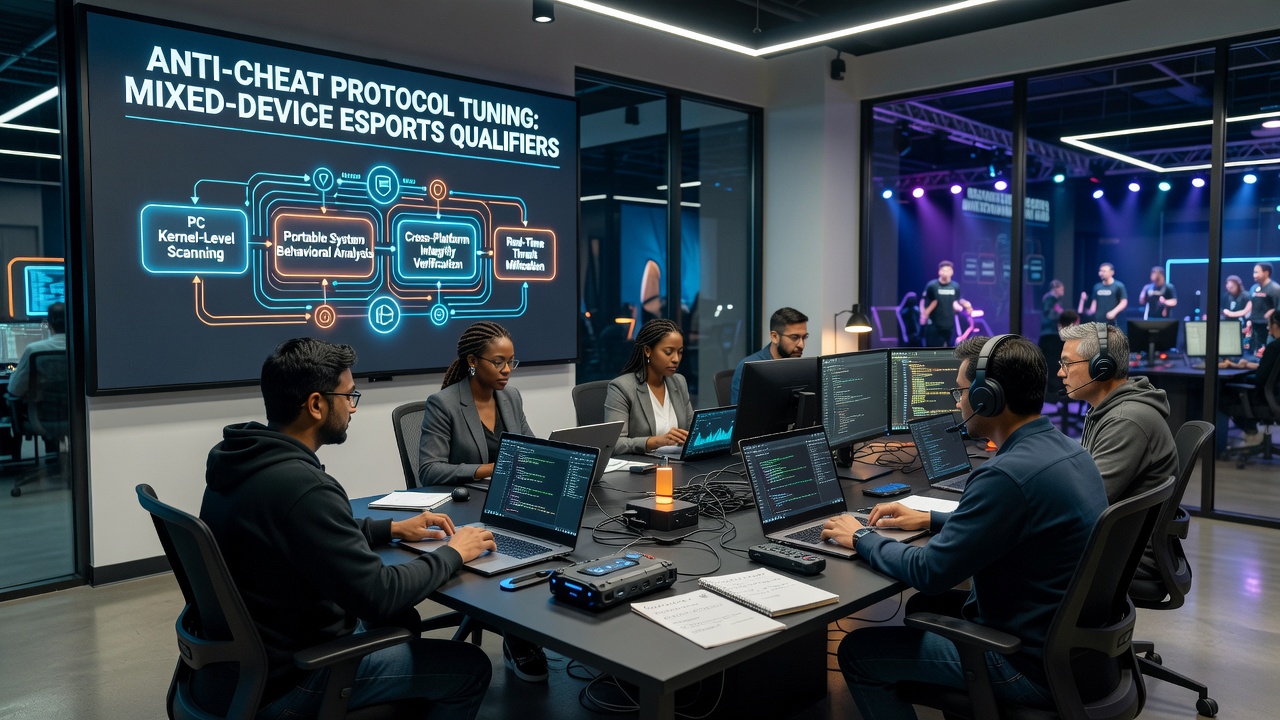 Developers address anti-cheat challenges in mixed-device esports qualifiers by combining hardware fingerprinting, behavioral analytics, and synchronized update cycles that span stationary PCs alongside portable systems such as handheld consoles and tablets. These protocols must verify player identity, detect unauthorized modifications, and maintain fairness while accommodating differences in processing power, operating systems, and network conditions that arise during qualification events scheduled for July 2026. Hardware-level detection forms the foundation of current approaches, where systems assign unique identifiers to each device through secure boot measurements and processor serial data. Portable units receive the same scrutiny as desktop rigs, yet engineers adjust sampling rates to avoid excessive battery drain during extended qualifier sessions. Research from the Association for Computing Machinery shows that fingerprint collision rates drop below 0.02 percent when both device classes share a common cryptographic hashing routine updated quarterly. Behavioral monitoring complements hardware checks by tracking input patterns, movement vectors, and resource access logs in real time. Algorithms flag deviations such as unnatural aiming precision or memory injection attempts that appear across platforms. Teams integrate these models through shared cloud services so that a portable device flagged during a mobile qualifier triggers the same review workflow used for PC competitors, ensuring consistency without platform-specific exemptions.
Cross-Platform Data Synchronization Challenges
Synchronization between PC and portable environments requires careful handling of timing offsets and data packet structures. Portable systems often operate under variable latency conditions compared with wired desktops, so developers embed adaptive buffers that normalize telemetry streams before analysis. During July 2026 qualifier cycles, organizers plan to test enhanced timestamp protocols that align events within 4 milliseconds regardless of connection type.
Engineers also manage differences in operating system kernels and graphics APIs. A Windows-based desktop may expose different memory allocation patterns than an Android or custom Linux handheld, prompting the creation of abstraction layers that translate low-level calls into comparable metrics. This translation preserves detection accuracy while preventing false positives that could disqualify legitimate portable users.Implementation Strategies in Live Events
Live deployment relies on staged rollouts that begin with closed beta qualifiers before expanding to open registration. Each stage incorporates feedback from device telemetry to refine detection thresholds. One documented case involved a regional circuit where portable device participation rose 47 percent after an update that reduced average scan overhead by 18 percent, according to figures published by the Global Esports Federation.
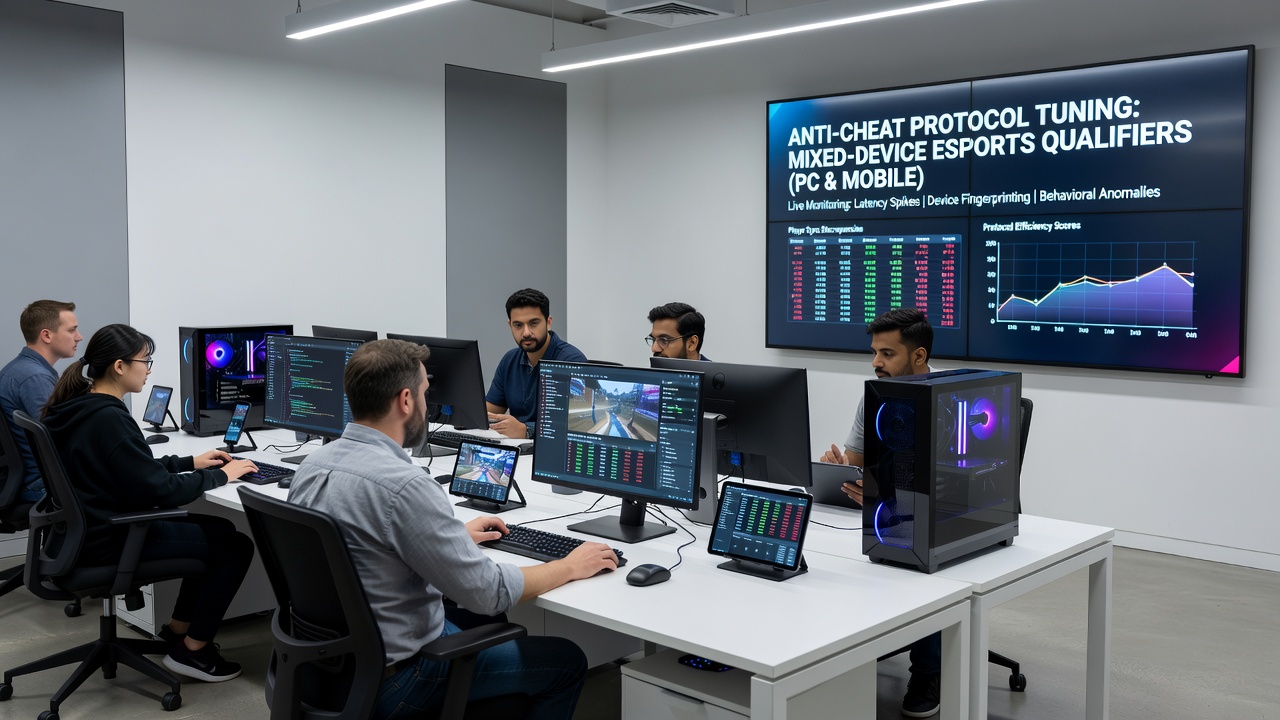 Continuous learning models receive periodic retraining on anonymized match data collected from prior events. These models distinguish between legitimate performance spikes on high-refresh portable displays and scripted automation attempts. Developers schedule model updates to coincide with major firmware releases, minimizing disruption for competitors preparing for July 2026 tournaments.
Regulatory and Industry Coordination
Industry groups coordinate standards that help align anti-cheat expectations across regions. The Entertainment Software Association maintains working documents on cross-device integrity that organizers reference when setting qualifier rules. Meanwhile, academic papers from institutions such as the University of Waterloo examine entropy sources in portable hardware to improve random number generation checks used in anti-cheat verification.
Security patches propagate through unified distribution pipelines that push updates to both desktop clients and portable companion apps simultaneously. This approach reduces the window during which an exploit discovered on one platform could migrate to another before detection signatures activate.Conclusion
Developers continue refining these layered protocols by iterating on hardware signatures, behavioral baselines, and synchronization methods that accommodate the expanding range of devices entering esports qualifiers. The July 2026 schedule will serve as a proving ground for the latest adjustments, with ongoing data collection expected to guide further improvements in detection precision and cross-platform equity.