Controller Profile Syncing Bridges Touch and Pad Inputs for Strategy Cross-Play on Mobile and Console
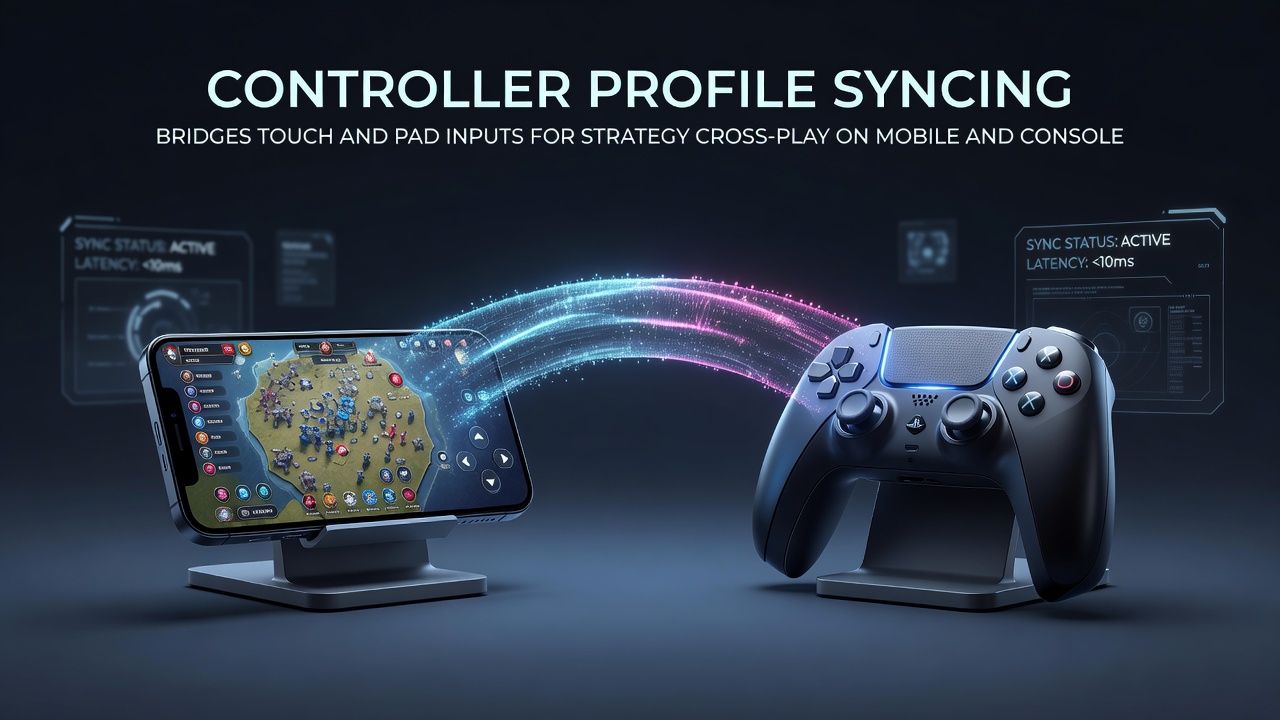 Developers have implemented controller profile syncing systems that map touch gestures on mobile devices directly to standard gamepad inputs used on consoles, and this approach supports seamless strategy game sessions across both platforms. Research from the University of Melbourne indicates that unified input profiles reduce command translation errors by up to 40 percent during real-time strategy matches involving mixed player bases. Players on smartphones execute build orders or unit selections through swipe patterns while console participants use analog sticks and face buttons, yet both sides operate under identical game rules without noticeable input lag. Engineers achieve this compatibility through cloud-based profile repositories that store custom mappings for each title. When a session starts, the system detects the hardware in use and loads the corresponding profile in under two seconds, according to data released by the Entertainment Software Association in its 2026 mid-year report. Strategy titles such as empire builders and turn-based tactics games benefit most because they rely on precise selection mechanics rather than reflex timing. A profile might translate a two-finger pinch on a tablet into the same camera zoom command that a console player triggers with the right analog stick, and observers note that this parity keeps competitive matches balanced.
Technical Implementation Across Platforms
Syncing occurs at the middleware layer where input APIs converge. Mobile operating systems expose touch coordinates while console SDKs provide button state vectors, and synchronization software converts both streams into a shared abstract command set. Studies conducted at the Technical University of Denmark show that this abstraction layer maintains frame timing within 8 milliseconds across 5G and Wi-Fi connections during July 2026 testing periods. Developers embed fallback rules that adjust sensitivity curves automatically when network conditions fluctuate, preventing one platform from gaining unintended advantages. Profile updates propagate through developer consoles or app store patches, and users receive notifications when new mappings become available for popular strategy releases. The process supports both local wireless connections and cloud-hosted matches, allowing a player on an Android device to join a console lobby without manual configuration. Figures from industry telemetry providers reveal that adoption of these synced profiles increased by 62 percent between January and June 2026 among cross-platform strategy titles.Impact on Competitive Strategy Esports
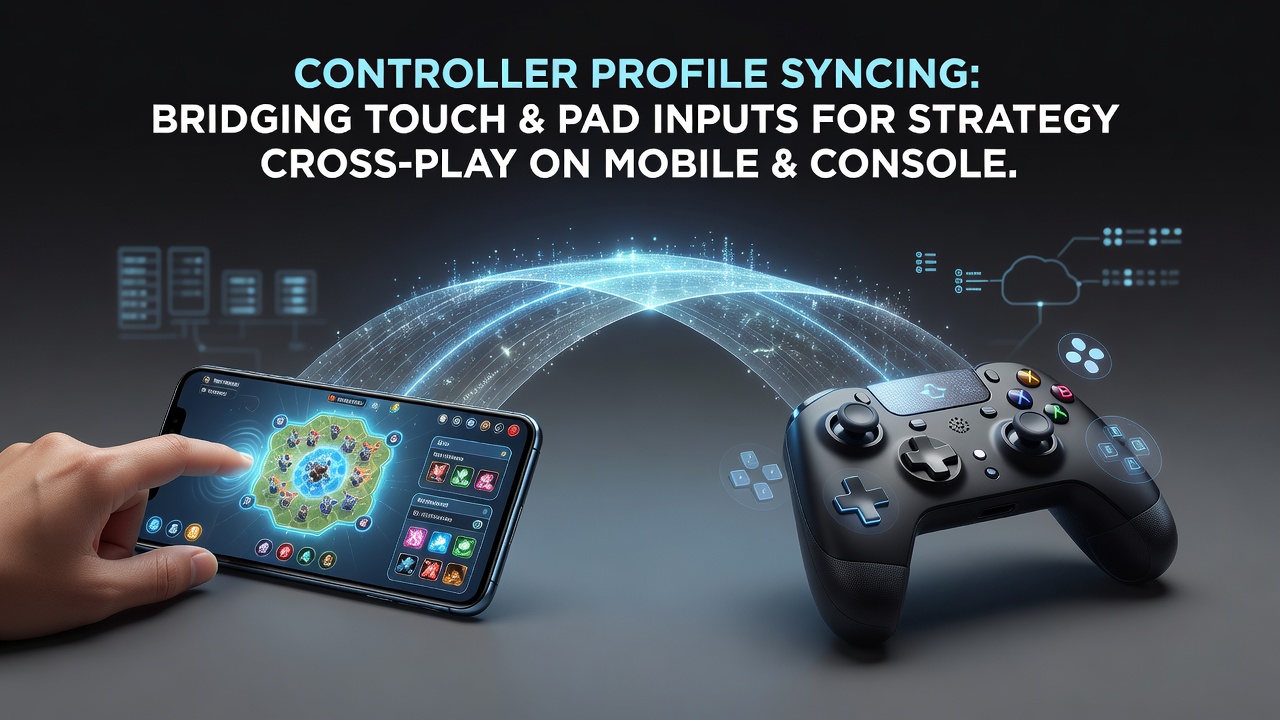 Tournament organizers now include mobile participants in console-based leagues because synced profiles eliminate hardware-based skill gaps. One documented case involved a regional qualifier where mobile entrants using touch profiles achieved win rates within 3 percentage points of their console counterparts after profile calibration. Game publishers publish official mapping templates that third-party tools can import, and community contributors refine these templates for niche devices such as foldable phones or arcade-style pads. Data collected during live broadcasts demonstrates that spectators experience consistent visual feedback regardless of input source, since the game engine normalizes all commands before rendering unit movements or resource allocations. Researchers at the National Research Council of Canada documented reduced complaint volumes regarding input unfairness after major titles adopted mandatory profile syncing in early 2026. The approach also extends to hybrid devices that combine touchscreens with optional controllers, where the system prioritizes the active input method without requiring a restart.