Battery Breakthroughs Powering Extended Sessions in Story-Driven Mobile Titles with Seamless Console Syncing
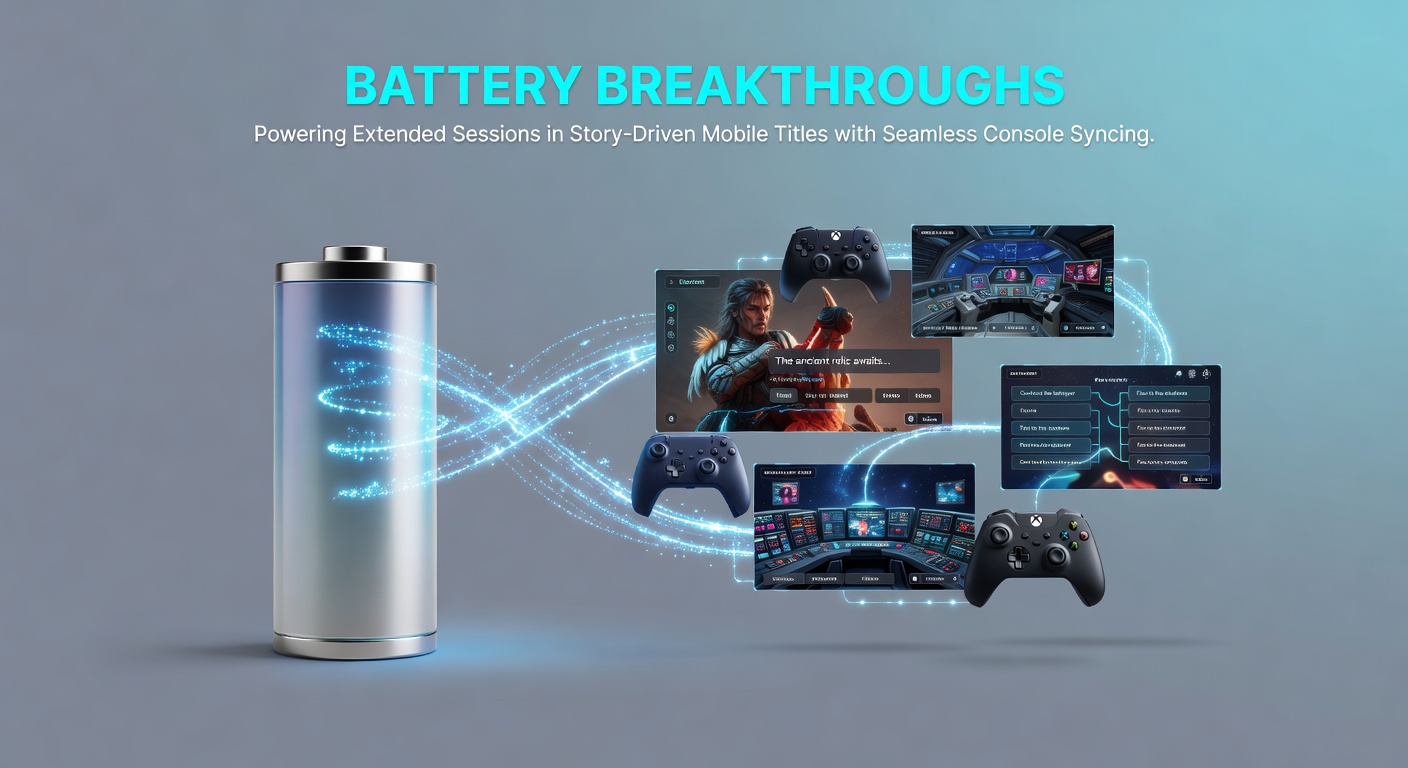
Developments in energy storage technology continue to reshape how players engage wth narrative-focused mobile games while maintaining connections to console platforms and researchers have documented several key advances that extend runtime without compromising performance or data transfer speeds. Solid-state battery designs, which replace liquid electrolytes with solid materials, deliver higher energy densities according to reports from the U.S. Department of Energy and these improvements allow devices to sustain intensive graphics rendering and continuous story progression for periods that previously required mid-session charges. Manufacturers incorporate these cells into handsets and portable consoles where power management algorithms adjust voltage output based on real-time gameplay demands such as dialogue-heavy sequences or open-world exploration that draw variable loads.
Core Technological Shifts in Energy Density and Efficiency
Energy density metrics have risen steadily since 2024 with prototype cells reaching 400 watt-hours per kilogram in controlled tests conducted by institutions across multiple regions and this metric directly translates to longer uninterrupted sessions in titles that emphasize branching narratives and character development. Device makers pair these batteries with silicon-anode architectures that increase capacity while reducing weight so players experience less fatigue during extended handheld use yet retain full compatibility for console handoffs. Thermal regulation systems built around phase-change materials keep operating temperatures stable even when processors handle simultaneous rendering and network synchronization tasks and data from the Fraunhofer Institute for Solar Energy Systems shows these components cut heat-related efficiency losses by measurable margins in high-drain scenarios.
Power draw optimization routines now analyze game engine calls in advance to pre-allocate energy reserves for upcoming cutscenes or exploration segments while background processes like save-state syncing run at lower priority. This layered approach prevents abrupt shutdowns during critical story moments and supports seamless transitions when users move from mobile screens to larger console displays through local wireless protocols or cloud-based save continuity. Battery management chips monitor cell health across charge cycles and predictive models forecast remaining playtime with increasing accuracy based on historical usage patterns collected from diverse player bases.
Integration with Story-Driven Gameplay Mechanics
Story-driven mobile titles often feature lengthy dialogue trees, environmental puzzles, and cinematic sequences that keep processors active for hours at a stretch and newer battery formulations accommodate these demands by sustaining peak output longer than previous generations. Developers adjust engine settings to leverage available power budgets dynamically so frame rates remain consistent during tense narrative beats without forcing users to pause for recharges. Observers note that titles released or updated around May 2026 incorporate optional low-power modes that preserve battery life during text-heavy sections while maintaining visual fidelity for action-oriented segments and these modes activate automatically when remaining capacity drops below set thresholds.
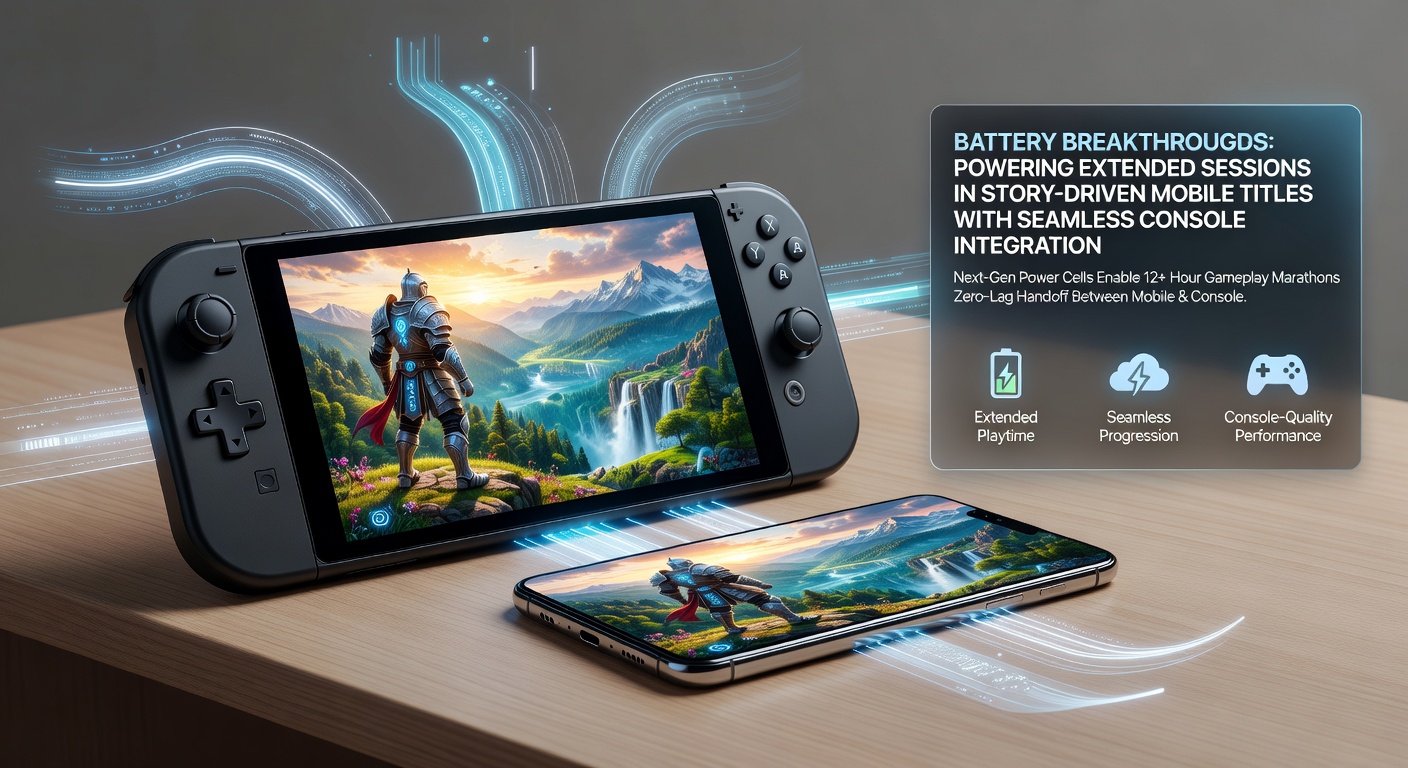
Seamless console syncing relies on efficient data exchange protocols that minimize additional power consumption during state transfers and battery advancements ensure devices retain sufficient reserves to complete these handoffs without interruption. Local area networks or direct peer connections handle asset streaming while the mobile unit shifts into a lower-power relay mode once the console assumes primary rendering duties. Research indicates that optimized lithium-metal variants further reduce internal resistance during these transitions so voltage sag remains minimal and gameplay continuity stays intact across device boundaries.
Real-World Deployment Patterns Observed in 2026
By May 2026 several hardware lines featured production-ready cells with cycle lives exceeding 1500 full charges at 80 percent capacity retention according to aggregated industry testing data. Mobile game publishers began highlighting battery endurance ratings alongside traditional performance specs in promotional materials for narrative-centric releases and this information helps consumers select devices suited for marathon story sessions. Cross-device ecosystems now include standardized APIs that report battery status and estimated runtime to both mobile and console endpoints allowing automatic adjustments during sync operations.
Case examples include developers who integrated adaptive brightness scaling tied to narrative pacing so darker atmospheric scenes consume less power while key visual reveals maintain intended impact. These refinements emerged from iterative testing across varied device fleets and demonstrate how hardware progress influences software design choices in measurable ways. Regional regulatory frameworks in Europe and Asia have begun incorporating endurance benchmarks into device certification processes which encourages continued refinement of battery chemistries and power architectures.
Conclusion
Battery innovations centered on solid-state and silicon-enhanced designs continue to extend viable play windows for story-driven mobile experiences while supporting fluid movement between portable and stationary platforms. Metrics from government and research bodies confirm gains in capacity, thermal stability, and cycle durability that underpin these capabilities and ongoing deployments in 2026 illustrate practical outcomes across commercial titles. Players benefit from reduced interruptions during key narrative arcs and developers gain flexibility to craft longer, more immersive sequences without hardware constraints dominating design decisions.