Adaptive Sound Synthesis Engines: How Procedural Audio Layers Are Refining Player Positioning and Tactical Awareness in Cross-Device Multiplayer Sessions
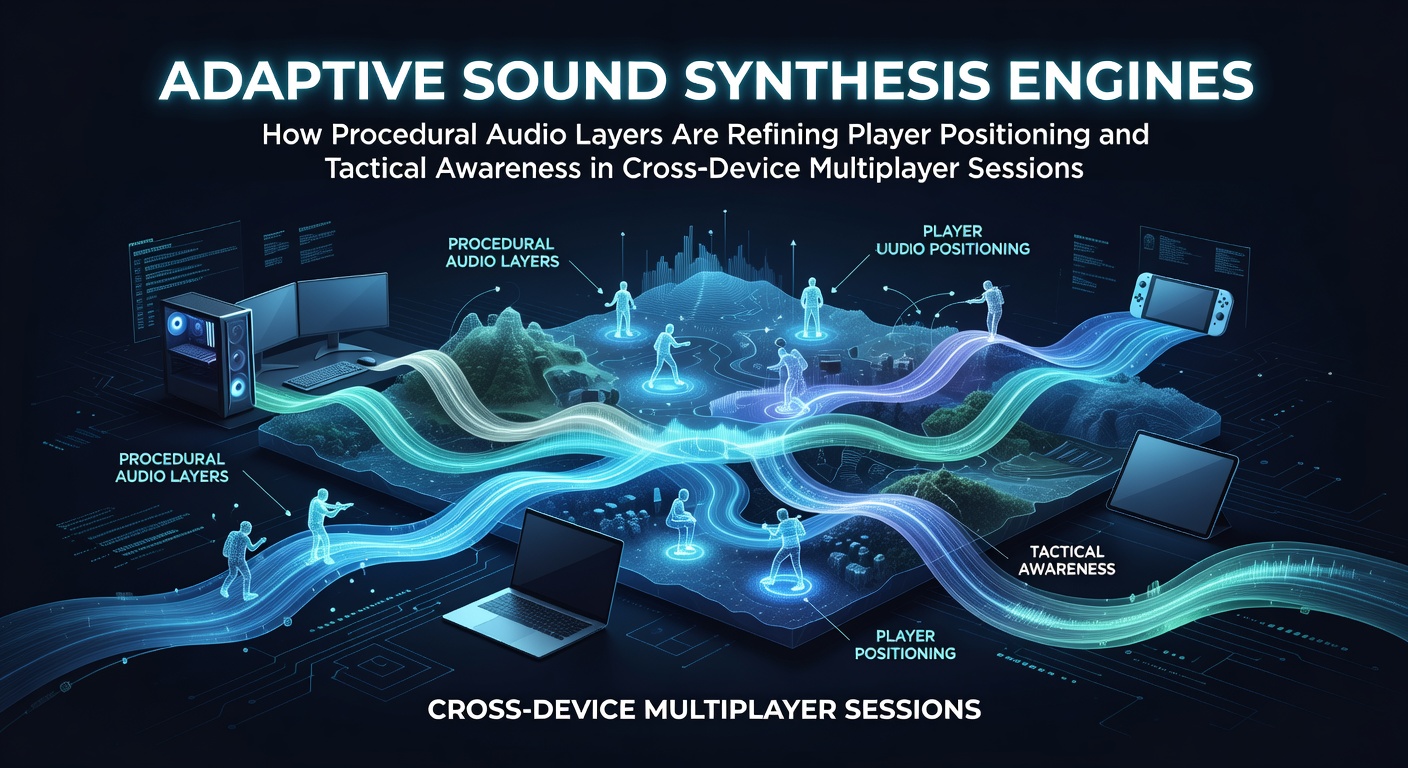
Adaptive sound synthesis engines generate audio dynamically based on real-time game states, player actions, and environmental variables rather than relying solely on pre-recorded tracks. These systems create procedural audio layers that adjust pitch, volume, spatial positioning, and layering in response to movement data across devices. Research from the Entertainment Software Association indicates that such engines now support consistent audio delivery in sessions spanning mobile phones, consoles, and PCs, with latency compensation algorithms handling network variances up to 50 milliseconds in May 2026 deployments.
Core Mechanisms of Procedural Audio Layers
Procedural audio layers operate through modular synthesis blocks that combine granular synthesis, physical modeling, and rule-based parameters to produce sounds on demand. One layer might handle ambient environmental tones while another modulates directional cues for footsteps or weapon fire, and a third overlays tactical signals like enemy proximity alerts. Engineers at major studios integrate these layers into game engines such as Unreal and Unity extensions, allowing the system to query player coordinates and device sensor inputs simultaneously. Data from industry reports shows that this approach reduces audio file storage needs by approximately 40 percent compared to traditional sample libraries, since assets generate algorithmically during runtime.
Cross-device synchronization relies on shared audio state servers that broadcast positional metadata to all connected clients. Mobile sessions benefit from simplified synthesis paths that account for smaller speaker outputs, whereas console and PC setups render fuller spatial audio through surround configurations. Observers note that these adaptations maintain perceptual consistency, so a player on a handheld device receives the same directional information as one using a high-end headset, albeit scaled to hardware limits.
Enhancing Player Positioning Through Audio Cues
Sound synthesis engines refine positioning by embedding precise spatial coordinates into audio streams, enabling players to triangulate locations based on volume gradients and timing offsets. For instance, procedural footsteps adjust reverb and attenuation according to surface materials adn distance, giving listeners accurate distance estimates even when visual line-of-sight remains obstructed. Studies from European research institutions have documented improved navigation accuracy in large-scale multiplayer maps, with participants reporting faster orientation when audio layers dominate over visual indicators alone.
In May 2026 updates, several titles incorporated head-tracking integration for mobile augmented reality modes, allowing synthesized sounds to shift dynamically as players tilt devices. This creates an additional positioning layer that complements GPS and inertial measurement unit data. Teams developing these features emphasize that the engines process multiple audio sources in parallel, preventing overlap that could confuse directional perception during crowded encounters.
Boosting Tactical Awareness in Multiplayer Contexts
Tactical awareness increases when procedural layers generate context-aware signals such as suppressed enemy movement audio or evolving threat indicators that scale with team formations. Audio engines analyze collective player positions to modulate background intensity, producing subtle tension builds that signal approaching conflicts without explicit visual markers. Australian gaming research groups have recorded measurable gains in reaction times during coordinated assaults, attributing improvements to these layered audio prompts that convey both individual and group-level information.
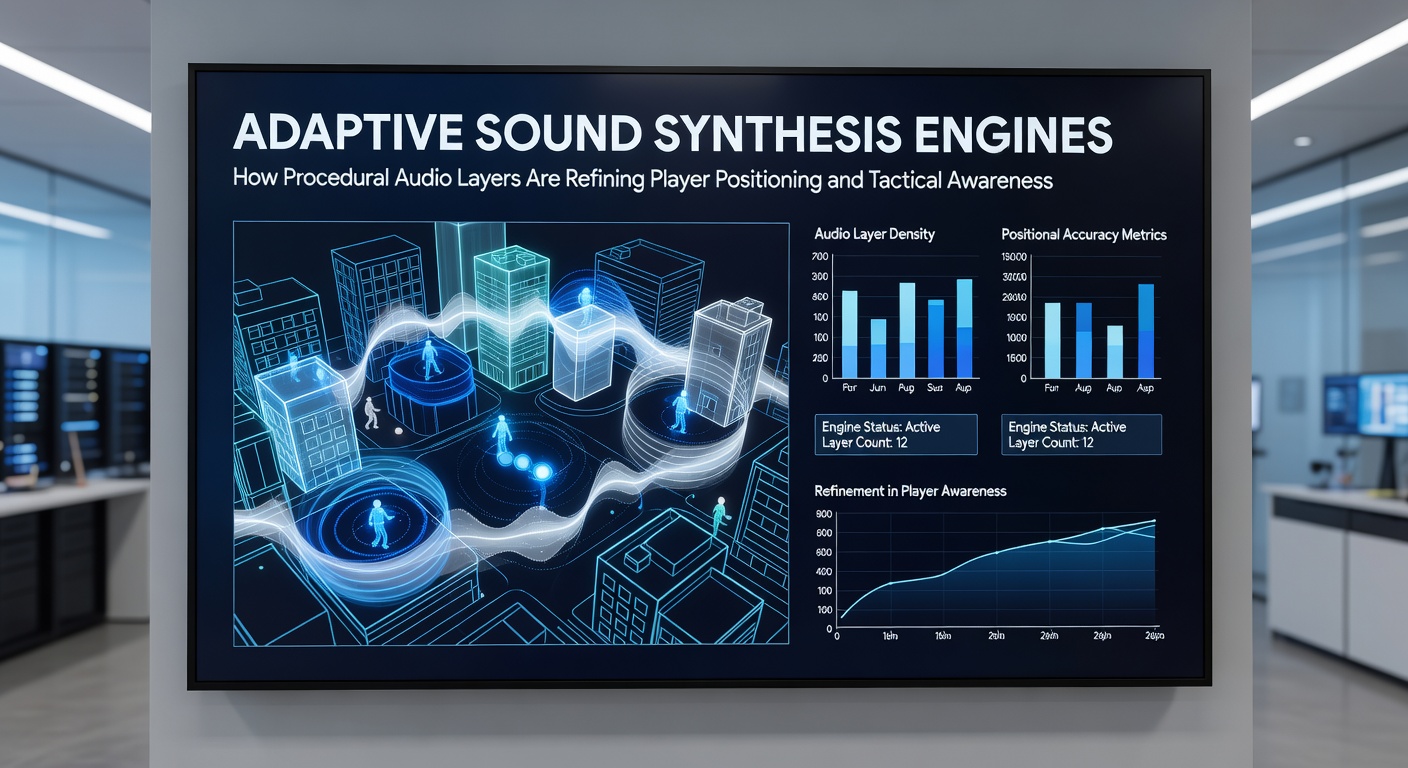
Device handoffs present particular challenges that synthesis systems address through predictive buffering. When a session transitions from console to mobile mid-match, the engine recalibrates output parameters within milliseconds to preserve cue clarity. This process maintains tactical continuity, ensuring players retain awareness of teammate locations and enemy vectors regardless of hardware shifts. Figures from cross-platform analytics platforms reveal that matches employing adaptive engines experience fewer communication breakdowns tied to audio misalignment.
Implementation Challenges and Technical Solutions
Developers face hurdles in balancing computational load across varied hardware while preserving audio fidelity. Mobile processors require streamlined synthesis paths that omit high-frequency details preserved on desktops, yet the core positional data remains identical. Solutions include cloud-assisted rendering for complex layers during peak moments, offloading calculations to edge servers that stream results back to clients. Those who have implemented these hybrids report stable frame rates alongside richer soundscapes in open-world environments.
Network variability continues to influence outcomes, prompting ongoing refinements in prediction models that anticipate packet loss and adjust audio interpolation accordingly. Regulatory bodies in North America have begun reviewing audio accessibility standards for competitive play, focusing on equitable cue delivery across device classes. These efforts align with broader industry pushes toward standardized audio protocols that support both casual and professional sessions.
Conclusion
Adaptive sound synthesis engines continue to evolve through integration of procedural layers that deliver consistent positional and tactical information in cross-device multiplayer environments. Technical advancements in synchronization, hardware adaptation, and real-time generation support expanded use cases as of May 2026. Ongoing research and implementation data demonstrate measurable impacts on player navigation and decision-making across platforms, establishing these systems as foundational elements in contemporary game audio design.